






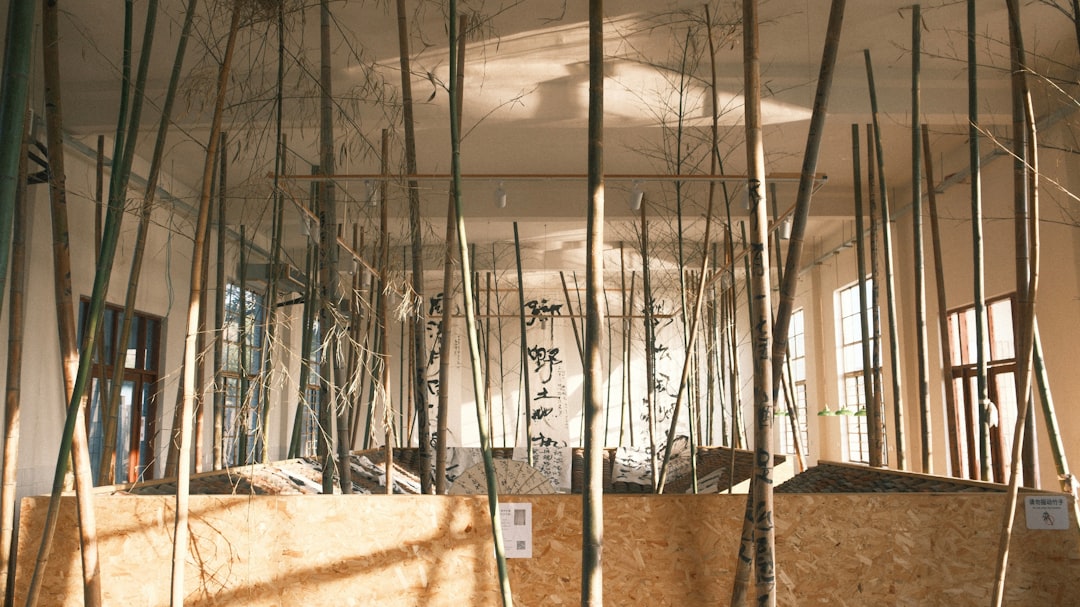
Embrace the Bio-Friendly DIY Revolution: Sustainable Materials for a Healthier Home
Imagine your home. That place where you laugh, rest, and dream. Wouldn’t you love every corner to be not only beautiful and functional but also a breath of fresh air for you and the planet? Well, the good news is that the “Do It Yourself” (DIY) movement has evolved. It’s no longer just about adding a personal touch to your spaces, but about doing it in a conscious, caring, and truly sustainable way. We’re talking about choosing bio-friendly materials and finishes, a philosophy that’s here to stay, transforming our homes into authentic sanctuaries of well-being and efficiency.
Have you ever wondered what’s behind the “new” smell of some products? Often, it’s the dreaded Volatile Organic Compounds (VOCs) and other toxins released into the air, affecting your health and that of your family. But don’t worry, a legion of brave DIYers, like you, are redefining what it means to live well. Choosing bio-friendly materials means saying “no” to those toxins and “yes” to products that are reborn, recycled, respect the Earth, and don’t pollute your air. It’s an embrace of nature within your own walls, so you can breathe easy and live better.
In this journey, we’re going to dive together into the fascinating universe of these materials. We’ll discover why more and more people are falling in love with them, what wonderful options are available to you, how you can use them in every corner of your home, and yes, we’ll also talk about those small challenges so you’re prepared. Our mission is to give you the tools and the spark you need to turn your house into that sustainable, vibrant oasis you’ve always dreamed of. Let’s get to work!
Why We’re Falling in Love with Bio-Friendly Materials: Your Heart Knows Why
The truth is, there isn’t just one reason, but a beautiful mix of concerns and desires that resonate with each of us, isn’t there?
A Cry from the Planet (and an Awakened Conscience)
The Earth is screaming for our help. The climate crisis, resource scarcity, and mountains of waste have made us pause and think. When you choose bio-friendly materials, you’re choosing those that cause the least possible harm at every stage: from their origin to their farewell. Every certified wood board you select, every can of ecological paint you open, is a small but powerful act of love for the planet. You become a silent hero, reducing your home’s carbon footprint.
Your Home, Your Healthy Lungs
Perhaps the reason closest to our hearts is the desire to live in a truly healthy space. Did you know that many conventional materials release harmful chemical substances (the famous VOCs!) that linger in your home’s air? These can cause anything from simple headaches and allergies to more serious problems. Imagine taking a deep breath in your own home and knowing that every gulp of air is pure and toxin-free. Materials like clay or lime plasters, for example, allow your walls to “breathe,” regulating humidity and keeping pesky mold at bay. It’s like having a natural air purifier in every room!
Beauty That Lasts (and Lasts, and Lasts)
Sometimes we think that being sustainable means sacrificing durability, but nothing could be further from the truth! Many bio-friendly materials are true warriors. Quality wood, bamboo, cork, lime… they can last centuries! Furthermore, if they ever need a touch-up, they are usually easy to repair or restore, and at the end of their life, they can be recycled or composted. It’s like planting an oak instead of a shrub: you know it will last, grow, and become more beautiful over time. It’s a smart investment in your home’s resilience and value.

The Visual Caress of Nature
Beyond the practical, aesthetics also matter! Bio-friendly materials possess an innate beauty that is hard to replicate. Their organic textures, those earthy colors that connect us to nature, the warmth of wood… they provide a serenity and authenticity that captivates you. Not only are they healthy, but they make your home feel cozy and full of life!
Smart for Your Wallet (Long-Term)
Yes, some bio-friendly materials might seem a bit more expensive at first. But here’s the secret: they are an investment. Good natural insulation (like sheep’s wool or hemp) can drastically reduce your energy bill. Their durability means fewer repairs and less need for constant replacements. And, of course, cleaner air at home can mean fewer doctor’s visits. A smart investment that your wallet and your conscience will appreciate.
Let’s Get Started! A Look at the Bio-Friendly Materials at Your Fingertips
The variety is astonishing; there are options for every taste and project!
The Magic of Wood (with Conscience)
Wood is nature’s embrace in your home, and its sustainable version is the jewel in the crown of bio-friendly DIY.
- FSC Certified Wood: If you see this seal (Forest Stewardship Council), you know that this wood comes from forests managed with love and respect. Perfect for furniture, flooring, or cladding!
- Reclaimed or Salvaged Wood: Imagine wood that has lived other lives in old buildings or boats. Not only do you avoid cutting down new trees, but you give your home a unique story! Ideal for beams, rustic countertops, or furniture with soul.
- Bamboo: Did you know that bamboo is a grass that grows at an incredible speed? It’s extremely hard, resistant, and has a modern, clean aesthetic. Ideal for floors, countertops, or panels!
- Cork: The bark of the cork oak, harvested without harming the tree (it regrows!), is a superhero: lightweight, elastic, insulating (yes, it insulates against noise and cold!), waterproof, and fire-resistant. Great for bathroom and kitchen floors or wall cladding.
The Superpowers of Natural Fibers
These materials harness the strength of nature to give you incredible insulation and minimal environmental impact.
- Hempcrete (Hemp Concrete): A mixture of hemp, lime, and water. It’s lightweight, allows walls to breathe, is non-combustible, doesn’t attract pests, and insulates wonderfully. It naturally regulates your home’s humidity.
- Sheep’s Wool Insulation: Totally natural and renewable! It insulates against cold and heat, and absorbs and releases humidity without losing its properties. It’s non-itchy and fire-resistant.
- Recycled Cotton Insulation (Denim): Can your old jeans insulate your home? Yes! Made from clothing scraps, it’s a fantastic alternative to fiberglass, formaldehyde-free, and easy to install.
- Straw: A classic making a comeback. Compacted straw bales are a natural, economical insulator with very high thermal power.
Directly from the Earth: Minerals and Clay
They connect your home to the earth, offering durability, breathability, and a rustic or minimalist aesthetic.
- Clay/Earth Plasters: A mixture of clay, sand, and fibers. 100% natural, non-toxic, and allow your walls to breathe. They regulate humidity, absorb odors and VOCs, creating warm and organic environments. Ideal for interior walls!
- Lime Plasters and Paints: A millennial material that allows your walls to “breathe,” prevents mold, and is incredibly durable. Lime gives a beautiful matte, velvety finish with a precious depth of color.
- Recycled Glass: That glass you no longer use is crushed and transformed into spectacular countertops, bathroom tiles, or decorative elements. Durable, non-porous, and with a thousand colors!
- Natural Stone (Responsibly Sourced): Granite, marble, slate… if extracted responsibly, they are durable and beautiful options for countertops and floors.
The Art of Recycling and Reimagining: Upcycled and Recycled Materials
The true DIY spirit: giving new life to what others discard.
- Recycled Plastics: Although it’s plastic, giving it a second life prevents it from polluting. It’s used to make decking, outdoor furniture, or roof tiles.
- Recycled Metals: Copper, aluminum, steel… reshaping them reduces the energy needed to produce new ones. Ideal for decorative details or hardware!
- Upcycled Furniture and Objects: This is where your creativity truly flies! From restoring Grandma’s dresser to turning pallets into a garden sofa. You reduce consumption, and you add a unique, historical touch to your home!
The Conscious Finishing Touch: Finishes That Make Your Home Shine (Without Toxins!)
Once you’ve chosen your materials, the finishes are key to sealing that promise of sustainability and well-being.
Goodbye to “Paint Smell”! Low and Zero VOC Paints
That “new smell” that paints used to have was often a sign of harmful gases. Now, the trend is to eliminate them!
- Milk Paints (Casein): Made with milk proteins and natural pigments. 100% natural, biodegradable, and non-toxic. A matte, smooth, breathable finish ideal for furniture and walls!
- Clay Paints: With clay, water, and mineral pigments. Very breathable, regulate humidity, and are excellent for air quality. Earthy tones and a deep matte finish.
- Natural Oil Paints: Made with vegetable oils (linseed, tung) and natural resins. They are durable, breathable, and give a satin or glossy finish without the toxins of old oil paints.
- Low/Zero VOC Acrylic Paints: If you like acrylics, look for those with low or zero VOC certification (like GREENGUARD). Easy to apply and with all the colors of the rainbow!
The Soul of Wood: Natural Oils and Waxes
They nourish wood from within, highlighting its natural beauty and protecting it without creating a plastic layer.
- Linseed Oil: Extracted from flaxseed. It penetrates the wood, curing and protecting it. It allows it to breathe and enhances its grain. Ideal for floors and furniture (requires reapplication).
- Tung Oil: Faster drying and more water-resistant. A durable, semi-matte finish, perfect for kitchen countertops or outdoor furniture.
- Natural Waxes (Beeswax, Carnauba): Applied to wood (often after an oil) for a soft, water-repellent layer with a beautiful satin sheen. Easy to apply and repair!
Color with Nature! Natural Dyes and Colorants
If you’re looking for something unique, plant-based dyes offer a surprising and completely non-toxic color palette.
- Plant-Based Dyes: Beetroot, turmeric, indigo, tea, or coffee… they can create a wonderful range of colors for fabrics, yarns, and even wood! Safe, biodegradable, and with soft, organic tones.
Timeless Elegance: Lime Washes and Mineral Paints
Options that offer durability, breathability, and properties that prevent bacteria and mold.
- Lime Wash: Lime dissolved in water. Creates a matte, translucent finish with a unique depth of color. Ideal for interior and exterior walls, giving a traditional, natural look that breathes.
- Silicate Mineral Paints: React with mineral surfaces (like plasters) to bond with them durably. They are extremely breathable, weather-resistant, and mold-resistant. An excellent option for exteriors!
Conscious Sealing: Natural Adhesives and Sealants
Beware! Glues and sealants can be a significant source of VOCs. So, choose wisely:
- Casein-Based Glues: Natural, made with milk protein. Ideal for wood and paper.
- Starch or Natural Resin Adhesives: Plant-based alternatives without formaldehyde or other toxins.
- Natural Rubber or Vegetable Oil Putties and Sealants: For sealing those joints and cracks without harmful chemicals.
Get Inspired: Where Can You Start Your Bio-Friendly Transformation at Home?
The versatility of these materials will surprise you! You can integrate them into almost any DIY project.
Kitchens and Bathrooms: Pure and Natural Functionality
These are the most demanding areas of the house, but also the ones that benefit most from the durability and antimicrobial properties of natural materials.
- Countertops: Imagine your bamboo, recycled glass, or reclaimed wood countertop sealed with tung oil. Beautiful and sustainable! Or, if you’re looking for luxury, responsibly sourced natural stone.
- Kitchen Cabinets: FSC certified or reclaimed wood, finished with natural oils or low VOC paints. You can restore the ones you already have!
- Flooring: Cork is a champion: water-resistant, warm, and antimicrobial. Bamboo and reclaimed wood are also great if sealed well.
- Walls: Low or zero VOC paints and lime or clay plasters control humidity and mold, creating a fresh, breathable environment.
Living Spaces and Bedrooms: Comfort and Pure Air
We spend most of our time here, so air quality is essential.
- Flooring: Reclaimed wood, cork, or natural wool rugs. Comfortable and healthy! Even polished earth flooring is an ancestral option making a comeback.
- Walls: Clay, lime, or low VOC paints transform your walls with color and texture, without sacrificing health. Clay plasters are a plus in bedrooms for humidity regulation.
- Furniture: Restoring with milk paints or natural oils, or creating something new with FSC wood, is ecological and adds character!
- Insulation: Installing sheep’s wool, hemp, or recycled cotton insulation is a DIY project that will dramatically improve energy efficiency and air quality.
Outdoor Projects: Your Garden, Your Sustainable Extension
The bio-friendly philosophy extends outside the home, connecting your living space with its surroundings.
- Terraces and Decks: Sustainable wood (FSC) or recycled plastic wood. They will withstand the weather and require little maintenance!
- Garden Furniture: Create with reclaimed wood or recycled plastics. It’s a fantastic way to beautify your garden sustainably!
- Exterior Paints and Sealants: Protect your exterior wood or facades with natural oil or silicate paints. They extend the life of materials without releasing chemicals into the environment!
- Planters and Urban Gardens: Use untreated wood, natural stone, or reclaimed brick. Ideal for growing your own food without leaching chemicals into the soil!
Heads Up! Small Challenges, Big Rewards of Bio-Friendly DIY
Embarking on this adventure is exciting, but like anything, there are things to keep in mind.
Where to Find It and How Much It Costs? (Initially)
Some bio-friendly materials might be a bit harder to find than conventional ones, especially if you live in rural areas. And yes, sometimes the initial price might sting a little more. But think of it as a smart investment: durability, energy and maintenance savings, and health benefits usually pay off handsomely! Plus, reclaimed wood or upcycling can be very economical.
Learning is Fun! Skills and Techniques
Some natural materials are like artists that need their own techniques. Applying clay or lime plasters, for example, is an art that requires practice and patience. Natural oils have their drying times and maintenance methods. It’s like learning a new recipe: at first, it might be a bit challenging, but mastering it is incredibly rewarding!
Embrace the Beauty of the Authentic
Natural materials have their own personality. Wood has unique knots and grains, lime can have a beautiful “streaky” look, and clay colors subtly vary. Learn to love these small “imperfections” that make each piece unique and real. Don’t look for the perfect uniformity of synthetics; seek the depth and authenticity that only nature can provide.
Don’t Be Fooled: Verify Sources
“Greenwashing” (when something appears ecological but isn’t quite) exists. So, be a detective: look for certifications like FSC for wood, GREENGUARD or Cradle to Cradle for paints, and organic seals. Ask without hesitation about the origin and production. And if you can, opt for local!
The Art of Care (and Preservation)
While durable, bio-friendly materials have their own maintenance routines. Wood oils, for example, need periodic reapplications. But the good news is that repairs are usually simpler and more discreet. Learning to care for them is, in fact, a ritual of connection with your home, not a chore.
Your Personal Roadmap: Tips for Embracing the Bio-Friendly Adventure!
For the enthusiastic DIYer who wants to start painting their life green, here are some practical tips:
- Start Small: You don’t have to revolutionize your entire home at once. Begin with a project that excites you and that you can manage, like painting a room with low VOC paint, restoring a piece of furniture with natural oils, or building a planter with reclaimed wood. This way, you familiarize yourself and gain confidence!
- Research Thoroughly: Before buying, dedicate time to learning. Read about the materials, check reviews, look for tutorials. Understanding what you’re going to use is your best secret weapon.
- Prioritize the Air You Breathe: If your budget has limits (who doesn’t!), be strategic. Start with what most impacts indoor air quality: paints, adhesives, and insulation. Your health will thank you!
- Look for Certifications: Seals like FSC, GREENGUARD, or LEED are your trusted allies. They guarantee that the product has been evaluated by experts and delivers on its promises.
- Accept Natural Imperfection: It’s the magic of authenticity. Wood with a knot, a clay wall with its subtle variations… these are the characteristics that give personality and charm to your home!
- Think “Before, During, and After”: Where does the material come from? How is it manufactured? How long will it last? And most importantly, what will happen to it at the end of its useful life? Choosing products that can be recycled or composted closes the loop.
- Explore Your Local Resources: Buying from local suppliers not only reduces the carbon footprint of transport but also supports your community! You can find reclaimed wood or local artisans who work with natural materials.
- Don’t Be Afraid to Consult Experts: When doubt strikes or the project gets serious, there’s no shame in asking for help. An architect, a designer, or a builder specialized in sustainability can save you many headaches.
Looking Ahead: The Promising Future of Bio-Friendly DIY
Get ready! The trajectory of bio-friendly materials is one of unstoppable growth. What is a trend today will be commonplace tomorrow.
Science Serving Nature: Biotechnology and Innovation
The future will bring us surprising materials. Bioplastics made from algae or corn that replace conventional ones. Materials like mycelium (the roots of mushrooms!) being explored for insulation or furniture, growing fast and being biodegradable! Bioengineering will continue to give us more efficient and durable insulators.
Easier to Find, Easier to Use
As more people join this revolution, production will be more efficient, prices more competitive, and you’ll find these materials at your usual DIY store! Certifications will become standardized, making it easier to quickly identify what is truly sustainable.
Bio-Friendly Will Be the Norm, Not the Exception
These materials will cease to be a niche and will be fully integrated into design and construction. Architects and designers will specify them by default, and builders will offer them as standard options. The intrinsic beauty and health benefits will be widely recognized and valued by everyone.
The Circular Economy: Nothing is Wasted!
The future of bio-friendly DIY will focus even more on the idea that “nothing is thrown away, everything is transformed.” We will think about products that can be easily disassembled for reuse, recycling, or composting their parts. Supply chains will be more transparent, and everyone (producers, consumers, and recyclers) will work together to close material cycles.
Connected with Nature and Ourselves
As science demonstrates the benefits of biophilia (our innate connection with nature), bio-friendly materials will not only be a sustainable choice but an essential tool for creating homes that nourish our soul, body, and mind, fostering a deeper connection with the natural world!
Your home, your planet, your health. What a powerful trio! What we start today with the choice of a bio-friendly material will be the norm tomorrow. It’s not a passing fad; it’s a statement of principles, a silent revolution that invites you to build, to live, and to love in a much more responsible way. Every conscious decision you make as a DIYer contributes to a greener, healthier future.
The benefits are undeniable: breathing better, reducing your footprint, creating visually beautiful spaces, and investing in the long-term durability and value of your home. Yes, there may be small challenges at first, but the reward in terms of well-being and personal satisfaction is immeasurable.
Every DIY project, however small, is a giant step towards a more bio-friendly home, a sanctuary where your ingenuity merges with the wisdom of nature to forge a truly inspiring space. It’s an act of pure love: for yourself, for your loved ones, and for this incredible planet we share. So, go ahead, dare to transform!