





Remember when “green” seemed like a distant concept, perhaps for a daring few? Well, those days are over. Our homes, those sanctuaries of comfort and familiarity, are undergoing an astonishing transformation. Driven by a growing environmental concern, a sincere desire for healthier living spaces, and a wave of ingenious technology, green innovations are rewriting how American homes are built, renovated, and decorated. What began as a niche movement for eco-pioneers has become an imperative, propelled by economic, environmental, and health benefits we simply cannot ignore. From a home’s very foundation to the smallest detail of its interior decor, sustainable practices and technologies are no longer just alternatives; they are the essential ingredients of modern, efficient, healthy, and vibrant living. This article delves deep into the most impactful green innovations revolutionizing our homes, offering an unprecedented opportunity to save energy, conserve resources, breathe cleaner air, and, in the process, surround ourselves with beauty.
The American Home of Tomorrow: Building and Decorating with Green Consciousness
The Foundations of Green Construction: Sustainable Materials
The true heart of a green home beats in the choice of its materials. Traditional construction often relies on options that deplete resources and leave a heavy carbon footprint. But a new wave of sustainable materials offers us viable and often *superior* alternatives. These innovations focus on reducing waste, using rapidly renewable resources, and minimizing environmental and health impacts throughout the material’s entire lifecycle.
Recycled and Reused Materials: Giving a Second Life
Imagine turning old cars and appliances into the structural steel of your new home, reducing energy consumption by up to 75% compared to virgin steel production. That’s the magic of recycled materials. Used glass finds new life in brilliant countertops, elegant tiles, and even insulation. Plastic “lumber,” made from bottles and containers that would otherwise end up in landfills, becomes durable decking, fences, and outdoor furniture, often outperforming traditional wood in longevity. And let’s not forget creative reuse: old barn planks turned into character-filled floors, or reclaimed wood from antique factories transformed into historic beams. Even everyday materials like denim (yes, your old jeans!) are ingeniously recycled into high-performance, non-toxic insulation that keeps your home warm and quiet without the irritations of fiberglass. Even concrete, a significant contributor to carbon emissions, is becoming greener with fly ash or industrial slag. It’s about moving from “use and discard” to “use, reuse, and love again.”
Rapidly Renewable Resources: Nature’s Speed
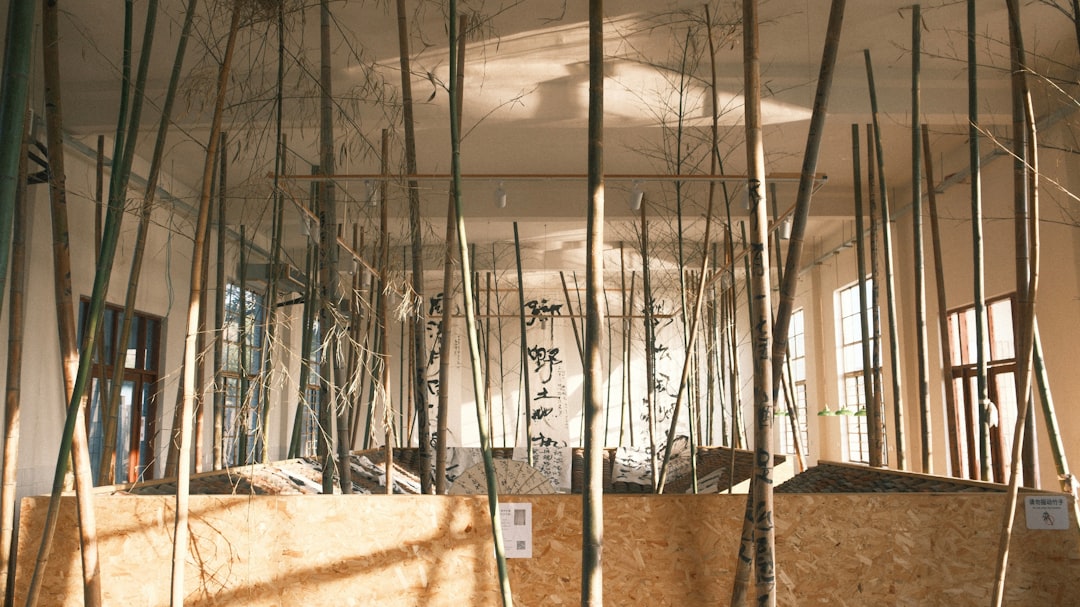
Some plants grow so fast that we can use them guilt-free, knowing that nature quickly recovers. Bamboo, for example, is a grass with an extraordinary growth rate, becoming an incredibly versatile and durable material for flooring, cabinetry, and even structural elements. Its hardness rivals that of many hardwoods, and its beauty adapts to any style. Cork, harvested from the bark of cork oak trees without harming the tree, gives us a unique and sustainable floor. In addition to being renewable, cork is an excellent thermal and acoustic insulator, hypoallergenic, and surprisingly comfortable underfoot. True linoleum (not vinyl!) is another natural product made from linseed oil, pine resins, and natural pigments; it’s biodegradable, durable, antistatic, and naturally antibacterial, perfect for a health-conscious home. These materials demonstrate that sustainable choices are not only good for the planet but often outperform conventional options in performance and aesthetics.
Locally Sourced Materials: Reducing Distances, Supporting Communities
When materials travel thousands of miles, they leave a considerable environmental footprint. Therefore, prioritizing locally sourced materials—stone from a nearby quarry, wood from sustainably managed regional forests, bricks manufactured just a few miles away—drastically reduces transportation carbon emissions. Moreover, this choice supports our local economies, fosters regional craftsmanship, and ensures that materials are perfect for our area’s climate and architectural style. It’s a win-win for everyone.
Non-Toxic and Low-VOC Materials: Breathing Easy
Beyond environmental impact, the health of those living at home is paramount in green construction. A crucial innovation has been the development and widespread adoption of non-toxic and low-VOC (Volatile Organic Compound) materials. VOCs are those chemicals that many traditional building products, paints, and adhesives release into the air, contributing to poor indoor air quality and health problems like headaches, nausea, or respiratory issues. Now, paints, for example, come in zero-VOC formulations that perform as well as, or even better than, conventional ones. The same applies to adhesives, sealants, and flooring. Third-party certifications like Greenguard or Cradle to to Cradle are our trusted guides. Prioritizing these materials transforms the home into a true sanctuary, free from the hidden dangers of chemicals, significantly improving indoor air quality and our overall well-being.
Advanced Technologies for Energy Efficiency and Renewable Energy
Our homes are no longer just passive consumers of energy; they are becoming active participants in its generation and management. Advanced technologies are leading this transformation, offering us unprecedented levels of energy independence, efficiency, and comfort.
The Integration of Solar Energy: The Sun on Your Roof
Solar energy has moved from a futuristic concept to a practical and often highly profitable reality for millions of homes. Rooftop photovoltaic (PV) panels have dramatically improved their efficiency and reduced their costs, making solar energy accessible to more people. These systems convert sunlight directly into electricity, often covering a substantial portion, if not all, of a home’s electrical needs. Beyond traditional panels, Building Integrated Photovoltaics (BIPV) are an aesthetic leap: solar shingles, tiles, and even transparent solar glass panels that blend seamlessly with architecture, generating energy without the visual impact of conventional panels. Additionally, solar water heating systems harness the sun’s energy to heat water directly, drastically reducing energy consumption for one of a home’s largest demands. These innovations not only reduce our bills but also help us rely less on fossil fuels and decrease our home’s carbon footprint.
Smart Home Systems for Energy Management: Your Home Gets Smart
Smart home technology has revolutionized how we interact with and manage our energy consumption. Smart thermostats like Nest or Ecobee learn our patterns, optimize heating and cooling schedules, and can be controlled remotely, leading to significant savings. Zoned control systems allow us to heat or cool different areas of the house independently, preventing waste in unoccupied spaces. Smart lighting, using efficient LED technology, integrates sensors, dimmers, and programmable schedules, reducing electricity consumption and enhancing ambiance. Smart plugs and energy monitoring devices give us real-time data on appliance usage, empowering us to identify energy “vampires” and make informed decisions. These integrated systems not only improve comfort and convenience but also connect our homes to the energy grid, allowing us to participate in demand-response programs that further optimize energy distribution.

High-Performance Envelopes: Your Home, a Perfect Thermos
A home’s “envelope” (its roof, walls, windows, and foundation) is the first line of defense against energy loss. Green innovations in this area focus on maximizing insulation and minimizing air leaks. Advanced insulation materials, such as spray foam, dense-pack cellulose, and high-density rigid foam, offer superior R-values (a measure of thermal resistance) compared to traditional insulations. These materials create a more uniform and tight thermal barrier, preventing heat transfer. High-performance windows are now a standard in green building, featuring multiple panes (double or triple glazing), low-emissivity (low-e) coatings that reflect heat, and inert gas fills (like argon or krypton) between panes to reduce heat conduction. Meticulous air sealing, often verified with blower door tests, is critical to prevent drafts and uncontrolled infiltration, which can account for a significant percentage of heat loss or gain. Structural Insulated Panels (SIPs), prefabricated panels composed of an insulating foam core between two structural facings (such as OSB), offer an alternative to traditional stick framing. SIPs provide superior insulation and airtightness, dramatically reducing construction time and energy consumption.
Efficient HVAC Systems: Perfect Climate with Consciousness
Heating, Ventilation, and Air Conditioning (HVAC) systems are the largest energy consumers in a home. Green innovations have transformed these systems into highly efficient and environmentally friendly units. Geothermal heating and cooling systems, for example, harness the stable underground temperatures to provide incredibly efficient climate control. By exchanging heat with the earth, these systems can reduce heating and cooling costs by 25% to 70% compared to conventional systems. Heat pump technology, both air-source and the increasingly popular mini-splits, offers highly efficient heating and cooling by transferring heat rather than generating it. Mini-splits provide individualized zone control, allowing homeowners to heat or cool only the rooms they are using. Energy Recovery Ventilators (ERVs) and Heat Recovery Ventilators (HRVs) are essential for maintaining excellent indoor air quality in airtight, high-performance homes. These systems continuously introduce fresh outdoor air while recovering heat or coolness from outgoing stale air, preventing energy waste and ensuring a healthy indoor environment.
Innovations for Water Conservation
Water scarcity and the energy required to treat and distribute it are pressing concerns. American homes are adopting innovative technologies and practices to drastically reduce their water footprint, making water conservation an integral part of sustainable living.
Low-Flow Faucets and Toilets: Every Drop Counts
One of the simplest yet most effective innovations for water saving is the widespread adoption of low-flow faucets and toilets. Toilets now commonly feature dual-flush mechanisms, offering different water volumes for liquid and solid waste, or ultra-low-flush designs that use significantly less water per flush than older models. Showers are designed to provide a satisfying spray with fewer liters per minute (LPM), and faucets incorporate aerators that mix air into the water stream, maintaining perceived pressure while reducing actual water consumption. These seemingly small changes collectively lead to substantial savings in household water use and, consequently, lower utility bills.
Rainwater Harvesting Systems: The Treasure from the Sky
Capturing and reusing rainwater is an ancient practice revitalized by modern technology. Rainwater harvesting systems collect precipitation from rooftops, channel it through gutters into storage tanks (cisterns), and often incorporate filtration systems. The collected water, while generally not potable without extensive treatment, is perfectly suitable for a variety of non-potable uses such as watering gardens and lawns, flushing toilets, and even laundry. This reduces demand on municipal water supplies, especially during peak hours, and can be a lifeline in drought-prone regions.
Greywater Recycling Systems: Giving Water a Second Chance
Greywater refers to wastewater generated from sources other than toilets (blackwater), such as showers, bathtubs, sinks, and washing machines. Greywater recycling systems capture this water, filter it to remove soap and debris, and then redirect it for secondary uses like garden irrigation or toilet flushing. This innovation significantly reduces the amount of fresh potable water consumed by a household, potentially cutting total water use by 30% to 50%. While initial installation can be complex, the long-term environmental and economic benefits make greywater systems an increasingly attractive option for homeowners committed to deep water conservation.
Drought-Tolerant Landscaping (Xeriscaping): Beauty That Doesn’t Waste
Beyond interior fixtures, outdoor landscaping is a major water consumer. Xeriscaping, or drought-tolerant landscaping, is an innovative approach to garden design that minimizes the need for supplemental irrigation. This involves selecting native plants adapted to the local climate, which require less water and maintenance than non-native species. Efficient irrigation techniques, such as drip irrigation systems that deliver water directly to plant roots, further reduce water waste. The use of mulch helps retain soil moisture, suppress weeds, and regulate soil temperature, creating a resilient and beautiful landscape that thrives with minimal water.
Biophilic Design and Healthy Indoor Environments
Beyond energy efficiency, green innovations are increasingly focused on creating homes that foster human well-being, both physically and psychologically. Biophilic design, which integrates natural elements and processes into the built environment, and advanced strategies for Indoor Air Quality (IAQ) are fundamental to this holistic approach.
Connecting with Nature: Your Own Oasis
Biophilic design recognizes our innate connection to nature and seeks to replicate its positive effects within our homes. Maximizing natural light, known as “daylighting,” is a key principle. Strategic placement of larger windows, skylights, and light tubes reduces the need for artificial lighting during the day, saving energy and improving our mood, productivity, and sleep cycles. Studies show that exposure to natural light positively impacts our circadian rhythms and overall mental health. Incorporating indoor plants goes beyond aesthetics; many species are effective natural air purifiers, filtering common indoor toxins. Creating visual connections to nature through views of gardens, trees, or even framed natural art can reduce stress and enhance feelings of calm. The use of natural materials like untreated wood, stone, and natural fibers in interior design further reinforces this connection, bringing the texture and warmth of the outdoors indoors.
Improvements in Indoor Air Quality (IAQ): Breathing Health
The average American spends up to 90% of their time indoors, making indoor air quality a critical determinant of health. Green innovations address IAQ from multiple angles. Advanced filtration systems, utilizing filters with high MERV (Minimum Efficiency Reporting Value) ratings, capture a greater percentage of airborne particles, allergens, and pollutants than standard filters. Whole-house air purifiers with UV-C light technology can neutralize viruses, bacteria, and mold spores. Strategic ventilation is crucial: while airtight homes are energy efficient, they require mechanical ventilation to introduce fresh outdoor air and expel stale, contaminant-laden indoor air. Energy Recovery Ventilators (ERVs) and Heat Recovery Ventilators (HRVs), as mentioned earlier, perform this function efficiently. Additionally, proactive measures such as radon mitigation systems, which prevent natural radioactive gas from entering the home, are essential in affected regions. The earlier emphasis on non-toxic, low-VOC building materials and furnishings also plays a critical role in preventing the introduction of harmful chemicals into the indoor environment, creating truly healthy and breathable spaces.
Acoustic Comfort: A Sanctuary of Calm
Often overlooked, acoustic comfort significantly influences our well-being at home. Green design principles extend to creating quiet and peaceful environments. High-performance insulation, in addition to its thermal benefits, also provides excellent sound dampening between rooms and from exterior noise sources. Acoustic panels made from recycled PET plastic or natural fibers can be strategically incorporated into home theaters, offices, or open-plan living areas to absorb sound and reduce echoes, creating a more serene and functional space. Conscious selection of flooring materials, such as cork or thick carpets made from sustainable fibers, also contributes to a quieter home by absorbing impact noise.
Sustainable Decor: Beyond the Walls
The commitment to green living extends beyond structural elements to the very fabric of interior design. Sustainable decor embraces choices that are environmentally friendly, healthy, and ethically produced, offering beauty without compromise.
Eco-Friendly Furniture: With Conscience and Style
The furniture industry is undergoing a significant shift towards sustainability. Consumers are increasingly seeking pieces made from FSC-certified wood, ensuring that timber comes from responsibly managed forests. Furniture crafted with recycled content, such as recycled metal, plastic, or even old tires transformed into innovative designs, diverts waste from landfills. The trend of repurposed and upcycled furniture, giving new life to vintage or discarded items, celebrates craftsmanship and reduces the demand for new manufacturing. Beyond materials, finishes and upholstery fabrics are crucial. Manufacturers are increasingly using non-toxic, low-VOC finishes and natural, organic fabrics (like organic cotton, hemp, or linen) that are free from harmful chemical treatments, contributing to better indoor air quality.
Sustainable Textiles and Fabrics: Softness and Responsibility
Textiles play a huge role in home decor, from curtains and upholstery to bedding and rugs. Green innovations prioritize materials with a lower environmental footprint. Organic cotton, grown without harmful pesticides and synthetic fertilizers, and hemp and linen, known for their minimal water requirements and durability, are increasingly popular. Recycled polyester, made from post-consumer plastic bottles, offers a durable and versatile fabric option, reducing plastic waste. Natural dyes, derived from plants and minerals, eliminate chemical pollution associated with synthetic dyes. Wool, a renewable and biodegradable fiber, provides excellent insulation, durability, and natural fire resistance, making it an ideal choice for carpets and upholstery.
Efficient Lighting and Smart Integration in Decor: A Smart Glow
Lighting is a key element of decor, and LED technology has revolutionized it. LEDs are incredibly energy-efficient, consuming up to 90% less energy than incandescent bulbs and having a significantly longer lifespan, which reduces waste and replacement frequency. Their compact size and versatile design allow for innovative fixtures previously impossible, from hidden strip lighting to intricate decorative elements. Smart lighting systems further integrate aesthetics with efficiency, allowing homeowners to control brightness, color temperature, and ambiance from a smartphone or voice assistant. These systems can be programmed to adjust throughout the day, optimize for different activities, or even synchronize with natural light cycles, enhancing comfort while minimizing energy use.
Conscious Consumption and Durability: Less is More, and Better
At the heart of sustainable decor lies a philosophy of conscious consumption. This means moving away from disposable trends and investing in quality, durable items that are built to last. The “fast furniture” model, similar to fast fashion, contributes significantly to landfill waste. Instead, homeowners are embracing furniture and decor with timeless design, robust construction, and materials that can withstand the test of time. This approach not only reduces waste but also supports craftsmanship and often results in pieces with greater character and value. The ethos of repair, reuse, and recycle extends to decor, encouraging homeowners to fix broken items, repurpose old pieces, and properly recycle items at their end-of-life, fostering a more circular and less wasteful approach to home adornment.
The Economic and Social Impact of Green Innovations
The widespread adoption of green innovations in American homes is not merely an environmental statement; it carries profound economic and social benefits that are increasingly driving its mainstream appeal.
Cost Savings: Your Wallet Thanks You
Perhaps the most tangible and immediate benefit for homeowners is the significant reduction in operating costs. Energy-efficient building envelopes, solar panels, smart home systems, and high-efficiency HVAC units drastically lower utility bills for electricity, heating, and cooling. Water-saving fixtures and landscaping reduce water bills. While initial investments can sometimes be higher, rapid payback periods and long-term savings often make these choices financially intelligent. Furthermore, government incentives, tax credits, and rebates at federal, state, and local levels often help offset upfront costs, making green improvements more accessible.
Health Benefits: A Home That Cares for You
The shift to non-toxic materials, improved indoor air quality systems, and biophilic design principles translates directly into healthier living environments. Reduced exposure to VOCs, allergens, mold, and other indoor pollutants mitigates health issues such as respiratory problems, allergies, and chemical sensitivities. Improved natural light and connections to nature have been shown to reduce stress, enhance mood, and support better sleep, contributing to overall psychological well-being. A green home is fundamentally a healthier home for its occupants.
Environmental Stewardship: A Small Step, a Big Leap for the Planet
On a broader scale, the collective adoption of these innovations contributes significantly to environmental stewardship. Reduced energy consumption decreases reliance on fossil fuels, cutting carbon emissions and combating climate change. Water conservation protects valuable freshwater resources, particularly critical in drought-prone regions. The use of recycled and rapidly renewable materials lessens the demand for virgin resources and reduces landfill waste, promoting a more circular and sustainable economy. American homes, through their construction and decorating choices, are becoming active participants in global environmental solutions.
Increased Home Value and Market Appeal: A Smart Investment
Green homes are increasingly recognized for their superior quality, lower operating costs, and healthier environments, translating into higher market value and faster sales. Certifications like LEED for Homes, ENERGY STAR, and Passive House designations serve as credible indicators of a home’s green performance, attracting a growing segment of environmentally conscious buyers. Prospective homeowners are often willing to pay a premium for properties that offer long-term savings, enhanced comfort, and a reduced environmental footprint, making green investments a smart financial move.
Accessibility and Affordability: Green for Everyone
What was once considered a luxury or niche is rapidly becoming more accessible and affordable. Economies of scale, technological advancements, and increased competition among manufacturers have driven down the costs of many green technologies. Solar panels, for instance, have seen a drastic price reduction over the past decade. Additionally, financial products such as green mortgages and Property Assessed Clean Energy (PACE) loans are making it easier for homeowners to finance energy-efficient and sustainable upgrades, integrating green innovations into standard homeownership plans.
Green DIY: You Can Do It Too
The impact isn’t limited to new constructions or major renovations. Many green innovations are accessible through DIY projects. Homeowners can easily install low-flow fixtures, replace incandescent bulbs with LEDs, start a home composting system, plant native gardens, or use non-toxic paints and cleaning products. These small, individual actions collectively contribute to a larger movement toward sustainable living, empowering every household to make a difference.
Challenges and Future Outlook
Despite the overwhelming benefits and growing adoption, the path to fully sustainable American homes faces challenges. However, the trajectory of innovation points toward an even greener future.
Initial Investment Costs: A Hurdle to Overcome
While long-term savings are clear, the upfront cost of some green technologies, such as geothermal systems or advanced rainwater harvesting, can still be a barrier for some households. Overcoming this perception requires ongoing education, accessible financing options, and sustained government incentives to bridge the gap.
Education and Awareness: We Need to Know More
Greater public education on the benefits, availability, and proper implementation of green innovations remains necessary. Homeowners and even some builders may not be fully aware of the breadth of sustainable options or how to effectively integrate them. Industry standards, clear labeling, and accessible information are vital to closing this knowledge gap.
Policies and Incentives: The Necessary Push
The role of government policies and incentives cannot be overstated. Continued and expanded tax credits, rebates, and improvements in building codes can significantly accelerate the adoption of green technologies and practices. Local initiatives that promote sustainable development and provide resources for homeowners are crucial for driving change at the community level.
Emerging Technologies: Looking to the Green Future
The future of green innovation is incredibly dynamic. We are on the cusp of witnessing breakthroughs in material science, such as graphene for super-efficient solar cells or phase-change materials for passive thermal regulation. Bio-integrated systems, where buildings symbiotically interact with natural processes (e.g., algae bioreactors on facades for energy generation), are moving from concept to reality. Advances in 3D printing with sustainable materials could revolutionize construction, reducing waste and enabling highly customized and efficient designs. Artificial intelligence will further optimize smart home systems, predicting energy needs and integrating with grid management with unprecedented precision.
Circular Economy Principles: The Ultimate Dream
The ultimate goal is a truly circular economy within the home. This means designing products for disassembly and reuse, ensuring that materials can be continuously recycled and returned to production rather than ending up in landfills. Manufacturers are increasingly taking responsibility for the end-of-life of their products, offering take-back programs and utilizing modular designs that facilitate repair and recycling. The American home is evolving from being a mere consumer of resources to an active participant in a sustainable, closed-loop economic system.
Conclusion
The landscape of how American homes are built and decorated has been irrevocably altered by a wave of green innovations. From fundamental choices of recycled steel and bamboo flooring to the sophistication of solar shingles and smart home AI, sustainability is no longer an optional extra but a driving force in modern living. These innovations offer a multifaceted promise: significantly reduced utility bills, healthier indoor environments free from toxins, and a profound contribution to environmental stewardship. Beyond the measurable benefits, they also foster a deeper connection to nature and a sense of responsibility toward future generations. As costs continue to decline and public awareness grows, green building and decorating will transition from an innovative choice to the expected standard, defining the American home as a beacon of efficiency, health, and harmonious coexistence with our planet. The transformation is not just about specific products or technologies; it’s a paradigm shift toward a more thoughtful, resilient, and life-affirming way of inhabiting our world, with plenty of room for creative DIY contributions.