




Your Passport to Magic: Transform Old Furniture into Unique Gems in 2026
1. The Upcycling Wave: Giving Furniture a New Life in 2026
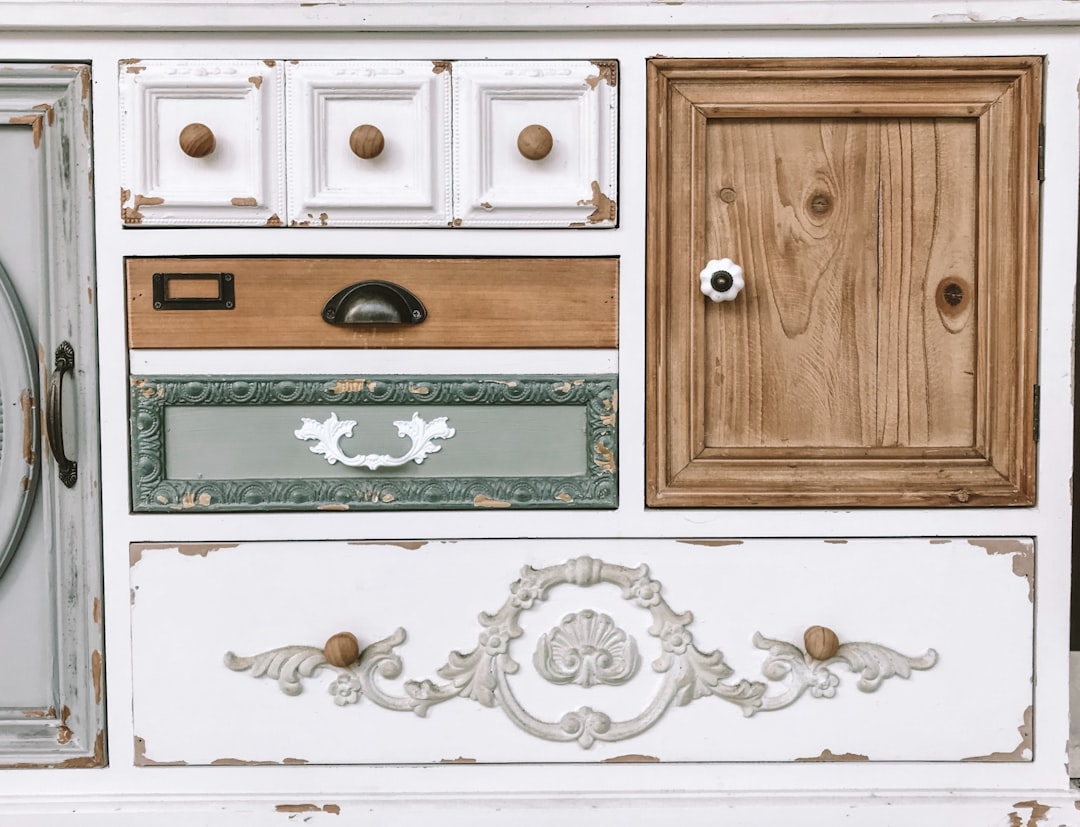
Imagine this: an old, forgotten dresser in a corner, destined for the dump… and you transform it into the star piece of your living room! That, dear friend, is upcycling, and in 2026, it has moved beyond a mere trend to become a true philosophy of life. It’s no longer just about giving an antique piece a quick refresh; it’s a conscious, creative, and absolutely magical way to transform disused objects into unique, functional, and beautiful pieces that tell a story just by looking at them.
Upcycling, in short, is giving new life to things that would otherwise end up in the trash. The improvements we achieve are so significant that the result is often much more valuable and beautiful than the original. And why is it so strong in 2026? Because we are more environmentally conscious than ever, we love owning things no one else has, it’s a great way to save (or even earn money!), and we have tools and tricks that make everything easier than ever before.
This guide is your passport to delve into the fascinating universe of furniture upcycling. From how to find that “ugly” piece with potential, to the most advanced techniques and the hottest trends of 2026. We will give you the confidence and knowledge to turn those forgotten items into treasures that fill your home with style and your heart with pride, while also helping our beloved planet.
2. More Than Just Paint: The Philosophy of Upcycling
This isn’t just a hobby; it’s a declaration of intent! It’s your way of saying “no” to waste and “yes” to creativity, to the history each object carries, and to a greener future.
2.1. A Breath of Fresh Air for the Planet
In 2026, environmental concern touches our souls. And here, upcycling becomes a powerful tool. Every piece of furniture you save from the landfill is a small act of heroism for the planet. Think about it: fewer trees cut, less energy spent in factories, less pollution from transportation. It’s conscious consumption that prioritizes the long life of things. Your renovated armchair is a victory for Earth!
2.2. Let Your Home Speak for You!
In a world saturated with mass production, wouldn’t you love to own something that tells YOUR story? Every piece you transform has a soul: its origin, your hands working on it, your own. Your upcycled furniture pieces are not mere objects; they are true declarations of your individuality, your style. They are canvases where you can express your tastes, your memories, your vision of the world, making every corner of your home shout “this is me!”
2.3. Smart for Your Wallet
Besides being good for the planet and your creativity, upcycling is a brilliant economic strategy! Finding second-hand furniture is infinitely cheaper than buying new items of the same quality. Your investment focuses on materials and tools that you will use again and again. And keep in mind, if you have a business vision, this can be a great source of income, turning old junk into highly coveted design pieces!
2.4. The Joy of DIY
But let’s be honest, is there anything more rewarding than seeing your idea come to life? From the moment you choose the piece until you finish it and say “I did it!”, upcycling is an inexhaustible source of satisfaction. It’s your moment to disconnect, to practice patience, to learn something new, and to nourish your creative spirit. That joy of building something beautiful with your own hands… it’s priceless!

3. Treasure Hunt: Your Next Project Awaits You in 2026!
The first step to magic is finding the right piece of furniture. In 2026, options are more varied and accessible than ever, thanks to technology and a growing culture of “reuse”!
3.1. Where to Look? (Your Treasure Map!)
- Second-hand Stores and Charity Shops: Classics that never fail! There are always hidden gems at ridiculously low prices. Visit them frequently; treasure can appear at any moment!
- Flea Markets and Antique Fairs: Perfect for pieces with character and a lot of history. You need a good eye to see beyond the patina.
- Online Marketplaces and Local Apps: This is where things get interesting in 2026! Facebook Marketplace, Wallapop (or your local apps) have evolved. Many now use Artificial Intelligence to suggest furniture based on your tastes or previous projects! And “street alerts” (where people announce furniture left on the sidewalk) are increasingly organized. There’s a universe of opportunities out there!
- Garage Sales and Estate Liquidations: Golden opportunities to grab furniture that people want to get rid of quickly. Don’t be afraid to negotiate!
- Inheritances and Discards from Friends/Family: Often, the pieces with the most history and sentimental value are already close to you. Ask around, you never know what gem awaits!
3.2. What to Look For (and Avoid) in a Treasure
The trick is to see beyond the dirt or chipped paint. Look for the heart of the furniture!
- Structure is Key: The foundation of any good project! Gently shake the furniture. Is it firm? Are the legs, joints, drawers sturdy? If the structure is solid, you have a diamond in the rough! Solid wood is always better than particleboard; it’s more durable and easier to repair.
- Detect Damage: Distinguish between scratches or old paint (easy to fix!) and broken legs, rotten wood, or severe woodworm (major problems!). Be realistic about what you can repair.
- Visualize its Future: Can you see how it would look? Does its basic style fit what you’re looking for? Sometimes, simple is the easiest to transform.
- Material Matters:
- Solid Wood: The crown jewel! Sand, repair, paint, stain… whatever you want!
- Wood Veneer: Can be sanded and painted, but with care not to go through it. If it’s very bad, you can remove or cover it.
- Laminate: A bit more challenging to paint, you’ll need a special primer.
- Metal: Perfect for an industrial look. Sand off rust, then apply metal primer.
- Safety First!
- Lead Paint: If the furniture is very, very old (before the 70s-80s), be careful! You can buy kits to detect it. If it has lead paint, seek expert help or use extreme protection (mask, gloves, good ventilation).
- Mold and Pests: Check thoroughly! Superficial mold can be removed, but severe woodworm or large termites… better to pass on them or seek very expensive professional help!
4. Your Secret Weaponry: The Upcycler’s Arsenal in 2026
Having the right tools is like having superpowers for your project, and it also keeps you safe! In 2026, technology brings us more efficient, cordless, and comfortable tools.
4.1. Faithful Companions: Basic Hand Tools
- Screwdrivers and Allen Wrenches: For disassembling and assembling parts.
- Hammer: For those stubborn nails.
- Tape Measure and Ruler: Precision above all!
- Utility Knife and Spatulas: For scraping, cleaning, or adjusting.
- Clamps: Indispensable! To glue and keep everything in place while drying.
- Level: To ensure everything is straight and perfect.
4.2. Power Up! Electric Tools (and ALWAYS Safety)
The trend in 2026 is clear: cordless tools that don’t create much dust.
- Sanders:
- Random Orbital Sander: Your best friend for most flat surfaces. In 2026, look for those with smart dust extraction systems that connect via Bluetooth to your vacuum!
- Detail Sander (Multi-tool): Ideal for corners, edges, and difficult spots.
- Cordless Drills and Impact Drivers: For drilling, screwing, and unscrewing effortlessly. They’re a dream!
- Jigsaw: If you need to cut curves or intricate shapes.
- Heat Gun: Magic for removing old paint and varnish! It softens layers and removes them in a flash.
4.3. Magic in Cans: Preparation and Finishing Supplies
- Cleaners: Specific degreasers (like TSP substitutes) that remove grease and dirt without damaging the wood. Essential!
- Fillers and Putties:
- Wood Putty: For small holes and cracks.
- Auto Body Filler (like Bondo): For larger, more robust repairs. Dries fast and is extremely hard!
- Sandpaper: Have various grits: coarse for stripping old finishes, medium for preparation, fine for smoothing before painting, and extra-fine for between coats.
- Primers: The key for good adhesion and color!
- Stain-Blocking Primer (shellac-based): Your shield for “bleeding” woods (oak, mahogany), preventing yellow stains from appearing!
- Bonding Primer: For difficult surfaces like laminate or metal.
- Paints:
- Chalk Paint: The favorite! Matte finish, adheres to almost anything with little sanding, and is easy to distress.
- Mineral Paint: Smooth, satin finish, durable, and low VOC (volatile organic compounds). The premium option in 2026!
- 2026 Trend: Prioritize low or zero VOC, eco-friendly, water-based paints! They are better for the planet and your health.
- Sealants/Topcoats: To protect your masterpiece.
- Polyurethane (water-based or oil-based): Super durable and resistant. Matte, satin, or gloss.
- Wax: Soft, natural finish, ideal with chalk paint.
- Epoxy Resins: For ultra-glossy, rock-hard surfaces with artistic effects.
- Brushes, Rollers, and Spray Guns (HVLP): Invest in good brushes. Rollers for large surfaces. And HVLP spray guns… they give you a professional, smooth, mark-free finish, and in 2026 they are easier than ever for us to use!
4.4. Your Protective Shield! Personal Safety Equipment (PPE)
Safety first, always!
- Protective Gloves: For chemicals and cuts.
- Respirator/Dust Mask: CRUCIAL! When sanding, painting, or using chemicals.
- Safety Glasses: Protect your eyes from particles and splashes.
- Hearing Protection: If using noisy tools.
5. Unleash the Magic: Your Step-by-Step Guide to Transformation
The success of your upcycling project lies in being methodical and using the correct techniques. Here the adventure begins!
5.1. Step 1: Planning and Design (Dream Big!)
The idea phase is as important as making it a reality.
- Inspiration: Pinterest and Instagram are great, but in 2026, Artificial Intelligence is your fairy godmother! Upload a photo of your furniture, and AI suggests colors, textures, and styles. And Augmented Reality (AR) apps allow you to “place” the transformed furniture in your living room to see how it looks. It’s like magic!
- Sketches and Mood Boards: Draw your ideas, create collages with color swatches, fabrics… visualize!
- Define Your Style: Boho, industrial, minimalist, farmhouse? This will guide every decision.
- Consider its Use: What function will it have? Does it need more space, wheels, a stronger surface?
5.2. Step 2: Disassembly and Cleaning (Get to Work!)
- Disassemble with Care: Remove knobs, handles, hinges, drawers… and label everything. This way, you’ll reach every corner to clean it thoroughly.
- Clean Thoroughly: With a good degreaser and warm water, remove all dirt, grease, and waxes! An immaculate piece of furniture is the perfect canvas for your work. Rinse and let dry completely.
5.3. Step 3: Repair and Restoration (Healing its Wounds!)
- Structural Repairs: If something wobbles, disassemble it, sand, and re-glue with wood glue and clamps. Make it rock-solid!
- Fill Holes and Dents: Use wood putty for small imperfections and auto body filler (like Bondo) for larger dents. Sand when dry until smooth.
- Sand or Strip Old Finishes: If the existing finish is bad or you want to stain, get to sanding or stripping! Use a chemical stripper, let it work, scrape, and then clean thoroughly.
- Problems with Veneer? If it’s lifting, inject glue and clamp. If it’s badly damaged, sometimes it’s best to remove it completely (with heat or moisture) and paint the wood underneath, or cover it with a new material.
5.4. Step 4: Preparation – The Foundation of an Impeccable Finish (The Big Secret!)
This is 80% of your project’s success! Don’t skip it.
- Final Sanding: Sand the entire piece with medium-grit sandpaper (150-180) so the primer adheres well. Then, give it a light pass with fine grit (220) to make it smooth.
- Not a Speck of Dust! Vacuum all dust thoroughly. Then, wipe with a well-wrung damp cloth (or a special tacky cloth) to pick up every last residue. Dust is the enemy of a smooth finish!
- Priming: Apply a uniform coat of the appropriate primer (see section 4.3). This seals the wood, blocks stains, helps the paint adhere, and makes the final colors more vibrant. Let dry, and if necessary, sand lightly with a very fine grit (320-400) between coats.
5.5. Step 5: Painting and Finishing Techniques (Bring it to Life! 2026 Trends)
This is where the magic truly happens!
- Solid Color Paint:
- Brush: Apply thin, even coats, following the grain if possible. Don’t overload the brush!
- Roller: Ideal for large surfaces. Use foam rollers for a smoother finish.
- Sprayer (HVLP): If you want a professional finish, smooth as a mirror and mark-free! You’ll need to thin the paint and practice.
- Apply 2-3 thin coats, allowing them to dry well between applications and sanding gently if you see any imperfections.
- Distressing/Aging:
- Selective Sanding: After painting, lightly sand edges and corners, as if time had done its work!
- Dark Wax or Patina: Apply dark wax or a glaze over the paint to create that antique effect and highlight details.
- Stenciling and Decoupage:
- Stenciling: Use stencils to add patterns or letters. Use little paint and a brush or foam roller to prevent bleeding!
- Decoupage: Glue paper, fabric, or images with a special adhesive and seal with several layers of clear protector.
- Staining and Sealing Natural Wood:
- Sand the wood until it is super smooth. Apply the stain with a cloth or brush, following the grain, and wipe off any excess.
- Seal with several coats of polyurethane or varnish to protect it and enhance its natural beauty.
- Advanced Finishes & 2026 Trends:
- Epoxy Resin: Create shiny, durable surfaces with a spectacular depth effect! You can tint it or embed objects. Ideal for tabletops!
- Metallic Accents: Metallic paint, gold/silver leaf, or metal elements to add a chic touch.
- Upholstery: Reupholster chairs, benches, or the top of a chest to add texture and comfort!
- Tiles or Mosaics: Add a tiled surface to a table or dresser for a decorative touch.
- Microcement: Cover tabletops or drawer fronts with microcement for a modern, industrial look.
- Updated Hardware: Changing knobs and handles is one of the easiest ways to modernize. In 2026, the trend is for clean designs, mixed metals (aged brass, matte black), and even smart hardware!
5.6. Step 6: Sealing and Curing (The Final Touch!)
- Applying Final Coats: Apply your chosen sealant or protective coat. Usually 2-3 coats, sanding very lightly between them if you’re aiming for a mirror-smooth finish.
- Patience, Please! Curing vs. Drying: It’s key to understand the difference. “Dry to the touch” is just that. “Cured” is when the finish reaches its maximum hardness and durability, and it can take days or even weeks! Don’t fully use the piece until it’s completely cured; this way, it will last much longer!
6. Beyond the Brush: The Future (and Present) of Upcycling in 2026
Upcycling in 2026 not only seeks beauty, but also intelligence and maximum environmental awareness!
6.1. Smart Furniture in Your Home!
Technology and design go hand in hand.
- Integrated Charging Ports: Add USB ports, hidden outlets, or wireless chargers to your nightstands or desks. Say goodbye to cables!
- LED Lighting: LED strips with motion sensors or remote control to create magical atmospheres in shelves or display cases.
6.2. Chameleon and Multifunctional Designs
Maximizing space is key.
- Role Change: Convert an old vanity into a desk, a dresser into a bar cabinet, or a trunk into a coffee table with storage. Let your furniture adapt to you!
- Transformable Furniture: Create pieces that change their shape or function! Shelves that become benches, side tables that combine to become larger.
6.3. Sustainable Materials, for a Happy Planet!
Our environmental commitment extends to everything we use.
- Low VOC Paints and Finishes: Prioritize products with eco-labels!
- Natural Waxes and Oils: A more organic alternative to synthetic varnishes for wood protection.
- Reclaimed or Recycled Wood: Use wood scraps or pallets for details, shelves, or even new structures.
- Recycled Fabrics: Reupholster with fabric scraps, old clothes, or coffee sacks!
6.4. Bring Nature Home: Biophilic Design
Connecting with greenery inside the home.
- Natural Textures: Incorporate wicker, rattan (recycled), linen, or cotton into your designs.
- Spaces for Plants: Design shelves or tables with integrated space for your pots, complete with drainage trays!
6.5. Together is Better! Community and Collaboration
Upcycling is a movement that grows with you.
- Forums and Social Media: Upcycler communities are more alive than ever. Seek inspiration, ask for advice, share your achievements, and resolve doubts!
- Workshops and Courses: More and more options are available to learn new techniques and meet other enthusiasts.
- Resource Exchange: Create local groups to share tools, leftover materials, or even furniture!
6.6. Upcycling as a Profession! Your Personal Brand
If the entrepreneurial bug bites you, upcycling can be your business!
- Sell Online: Open your shop on Etsy, Shopify, or specialized marketplaces for reclaimed furniture.
- Create Your Portfolio: Document each project with spectacular “before and after” photos! Showcase your magic and your style.
- Social Media: Instagram, TikTok, and YouTube are your showcase. Show the process, attract clients, and build your personal brand!
6.7. Your AI Design Assistant!
Artificial Intelligence is democratizing design.
- Visualize Transformations: Upload a photo of your furniture and ask the AI to generate images of how it would look with different colors, finishes, or even if you change its structure.
- Suggested Color Palettes: AI can analyze your space and propose color palettes that complement your existing decor.
7. Don’t Panic! Common Problems and Magical Solutions in Your Project
Although it’s incredibly rewarding, upcycling has its small challenges. Knowing them and how to tackle them is key.
7.1. That Persistent Yellow Stain! (Tannin Bleed):
The natural oils in some woods (oak, pine, mahogany) can “bleed” and leave yellow or brown stains through light paint.
- Solution: Your shield is a good shellac-based primer or a high-quality stain-blocking primer! Sometimes, two coats are the key.
7.2. Peeling Paint! (Poor Adhesion):
Paint lifts or peels off.
- Solution: This almost always happens due to poor preparation. Clean and degrease thoroughly, sand the surface so the primer has something to adhere to, and use the appropriate primer for each material!
7.3. Oh No! Irregular Finishes (Brushstrokes, Drips, Bubbles):
Brush marks, paint runs, or grainy texture.
- Solution:
- Brushstrokes: Use quality brushes, don’t overload them, and apply thin, even coats. Sand gently between coats.
- Drips: Apply thin coats with little paint. If they appear, let them dry and sand gently before the next coat.
- Bubbles: Make sure there is no dust on the surface or in the air. Do not shake the paint excessively. An HVLP sprayer helps prevent them.
- Grainy Texture: Remove all dust before painting and sand lightly between coats.
7.4. Veneer Peeling Off! (Damaged Veneer):
Veneer cracks, lifts, or breaks.
- Solution: For lifted veneer, inject wood glue and clamp. If it’s very damaged, sometimes it’s best to remove it completely (with heat or moisture) and paint the wood underneath, or cover it with a new material.
7.5. Urgent! Pests or Mold:
Finding woodworm, termites, or mold on the furniture.
- Solution:
- Mold: If superficial, clean it with a diluted bleach solution (1 part bleach to 10 parts water) in a ventilated area and with protection. If it’s black mold or very widespread, the furniture might not be salvageable for your health!
- Pests: Small holes and fine sawdust are signs of woodworm. For mild infestations, there are wood insecticide treatments. For large infestations or termites, it’s best to call a professional or, if the damage is severe, discard the furniture to prevent spreading!
7.6. Time Flies! (Time Management and Patience):
Upcycling projects often take longer than we think.
- Solution: Plan well, break the project into small steps, and don’t rush! Drying and curing times are sacred. Enjoy the process. Patience is the virtue of a happy upcycler!
8. Fame Awaits! Share Your Upcycling Magic with the World
Sharing your transformations is not only rewarding, it also inspires others and can open doors if you want to sell your pieces!
8.1. Magazine-Worthy Photos! Photography Tips:
- Good Lighting: Diffused natural light is your best friend. Avoid direct sun that creates harsh shadows.
- Clean and Simple Background: Let the furniture be the star.
- The Before and After: They are magical! Make sure the “before” is real and the “after” highlights the entire transformation.
- Details and Close-ups: Capture those small touches that make your piece unique.
- In its New Home: If you can, show the furniture in a decorated space. This way, people can imagine it in their own homes!
8.2. Tell the Story!
Every piece has a journey. Where did you rescue it from? What challenges did you overcome? What was your vision? This story adds incredible emotional value!
8.3. Your Online Gallery! Platforms:
- Instagram and TikTok: Ideal for striking photos and “process” videos. Use hashtags like #upcycling, #recycledfurniture, #diyfurniture.
- YouTube: For detailed tutorials and vlogs of your projects.
- Personal Blogs: To narrate the step-by-step in more detail.
- Upcycling Communities: Join Facebook groups or forums to share and receive feedback!
8.4. Environmental Impact? (Optional):
If you’re very eco-conscious, you can calculate how much weight of furniture you saved from the landfill or the carbon emissions you avoided. It’s an extra source of pride!
9. What Does Tomorrow Hold? The Constantly Evolving Upcycling Universe
Upcycling is not a fleeting trend; it is a practice that will continue to evolve and shape how we interact with our home and the planet.
9.1. Upcoming Technologies and Materials
We will see even more eco-friendly paints, indestructible sealants, and innovative repair materials. 3D printing could create those pieces you can’t find!
9.2. More People Seeking Unique Items
As we become more concerned about the planet and look for pieces with personality, the demand for unique upcycled furniture will continue to grow.
9.3. Upcycling as a Profession
What started as a hobby is becoming a very serious profession, with designers and artisans creating renowned brands.
9.4. The Magic of Creativity is Eternal
At the end of the day, upcycling is a celebration of what humans can do: see beauty and potential where others only see waste. And that spark will never fade!
10. Your Home, Your Style, Your Planet: Upcycling Awaits!
So, ready for the adventure? Furniture upcycling in 2026 is much more than painting a piece of furniture. It’s your battle cry against waste, your canvas for creativity, your way of giving soul to your home and, incidentally, saving a piece of the planet!
From the excitement of discovering a hidden gem at a flea market to the satisfaction of seeing your vision come to life, every upcycling project is a transformative journey. You not only beautify your space, but you actively contribute to a healthier planet.
With this guide, you have everything to get started. Don’t be afraid to make mistakes, because every “error” is a lesson. Dare to dream, to create, to transform. Start with something small, gain confidence, and soon you’ll be creating extraordinary pieces that not only decorate but also inspire. Your next upcycled furniture piece is not just an object; it’s a statement of intent, a testament to your ingenuity, and another step towards a brighter, more sustainable future! Get to it!