






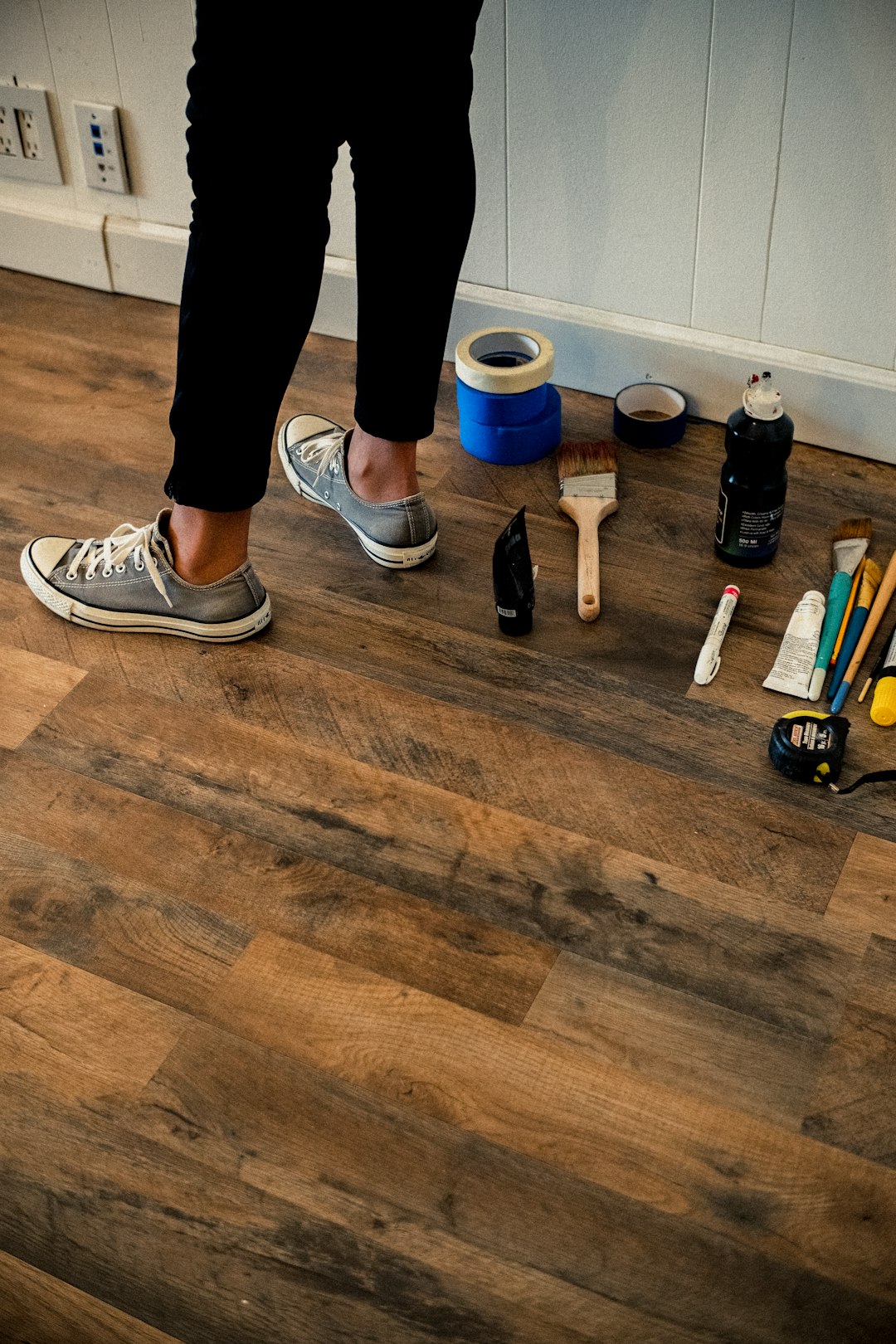
Essential DIY Safety Tips for Safe & Successful Home Projects
Few things are as rewarding as the thrill of seeing a space transformed, fixing something with your own hands, or building that furniture you always wanted from scratch. It’s a feeling of empowerment, savings, and immense pride. That’s why millions of us embark on DIY projects at home. But behind every success, every “I did it!”, there’s a truth we cannot ignore: safety. Overlooking precautions can not only ruin the joy of accomplishment but can turn into a real disaster: serious accidents, lifelong injuries, or even tragedies. This post is your fundamental manual to ensure every project is as safe as it is satisfying. Because safety, fellow DIYer, is not an option; it’s the foundation upon which you build each of your home wonders, without drama or risks.

-
Plan Meticulously and Prepare Your Workspace
Before you even touch a tool, the key to any safe DIY project lies in thorough planning and preparation. Just like building a house, if the foundations aren’t solid, nothing else matters. Good planning saves you from unexpected scares and paves the way for a smooth workflow.
For instance, evaluating your project and knowing your limits is crucial. If a plumbing task is more complex than it appears, or if an electrical installation feels delicate, it’s a clear signal to “call a professional!” Likewise, never assume you know everything; research every step, from watching YouTube tutorials to reading detailed guides. Always choose the right tools for the job, ensure they are in perfect working order, and crucially, read their user manuals—especially for power tools. Your workspace must also be clean, organized, well-lit, and properly ventilated, keeping children and pets far from the “war zone.” Finally, always have a well-stocked first aid kit within easy reach for minor mishaps.
By investing time in planning and preparation, you lay a solid groundwork for safety, preventing costly and dangerous errors, and ensuring your project flows smoothly and effectively.
-
Equip Yourself with Essential Personal Protective Equipment (PPE)
Personal Protective Equipment (PPE) is not optional; it is your indispensable shield, forming a vital barrier between you and potential injury. Wearing the appropriate PPE for each task is the first step towards a safe project.
Your eyes are incredibly vulnerable to flying particles, splinters, dust, chemical splashes, and sparks, making safety glasses or full face shields absolutely essential. For your hands, which are constantly exposed to cuts, scratches, burns, and chemicals, choose the correct gloves—such as cut-resistant ones for handling glass or metal, or chemical-resistant gloves for paints and solvents. Protect your hearing from the constant noise of power tools with earplugs or earmuffs. For tasks generating dust (wood, plaster) or chemical vapors, use a suitable respirator (e.g., N95 for fine particles or specific cartridges for organic vapors). Always wear robust, closed-toe footwear, and consider steel-toed boots for heavier work. Lastly, avoid loose clothing, tie back long hair, and for overhead tasks, a hard hat is critical.
The benefit of using PPE is undeniable: it protects your vital body parts from common DIY hazards, drastically reducing the risk of severe injuries. Never think “just for a moment”; accidents often occur in an instant.
-
Master Safe Tool Handling and Respect Electrical Power
Using tools correctly and safely is a cornerstone of DIY projects without incident. Whether manual or electric, each tool has its own safety rules. Moreover, electricity, while incredibly useful, is one of the most dangerous elements if not treated with respect, posing risks of electric shocks and fires.
For manual tools, always inspect them for firmness and sharpness before use; a dull blade requires more force and increases slip risk. Use each tool for its intended purpose and maintain a firm grip, always cutting away from your body. For electric tools, it is vital to “read the manual!” and always inspect cables and safety guards before each use. Critically, always unplug the tool before changing accessories, making adjustments, or when not in use. Maintain a firm, stable posture to control the tool and absorb “kickback” from circular saws. Ensure your electric tools are properly grounded, and use a Ground Fault Circuit Interrupter (GFCI) especially in damp environments or outdoors, as it cuts power instantly in case of a current leak.
Regarding electricity, the golden rule is: ALWAYS cut power from the main circuit breaker before starting any electrical work, and verify the circuit is truly dead with a voltage tester. Inspect all cables for damage, avoid overloading circuits, and never combine water and electricity. For complex electrical projects, such as installing new circuits or changing panels, always consult a qualified professional.
By meticulously following these guidelines, you prevent severe injuries, electric shocks, and potential fires, ensuring your DIY efforts are not only successful but also safe for you and your home. Remember, never work when tired or under the influence, and always prioritize safety over speed.
Conclusion: Successful Projects, Safe Lives
The world of DIY is a universe full of possibilities, creativity, and personal satisfaction. By adopting a rigorous safety culture, each of us can fully enjoy the joy of our projects without risking our well-being. From meticulous planning and the selection of appropriate PPE, to the responsible handling of tools and chemicals, and the adoption of a constant cautious mindset, every step counts. Safety is not a burden or a hindrance to your creativity; it is the foundation that allows you to continue creating, learning, and enjoying the rewarding experience of transforming your home with your own hands, safely and durably. So, make safety always your first and best tool!