





Your Home, Your Brain: DIY Smart Home Automation for a Simpler Life
Imagine arriving home to lights that automatically illuminate, music playing your favorite tunes, and the heating perfectly set. What once seemed like science fiction is now a reality you can build with your own hands! In a world that often feels increasingly complex, your home can become your oasis of simplicity. No, you don’t need to be a tech genius or hire an army of experts. With a bit of ingenuity and a desire to learn, “Do-It-Yourself” (DIY) smart home improvements are your ticket to transforming your space into an ally that makes your life easier, safer, and more comfortable. Prepare to embark on this adventure, as we guide you in making your home, with a touch of artificial intelligence and automation, work for you.
The essence of building your own smart home lies in having absolute control, tailored precisely to your preferences. By taking on the task yourself, you not only save a significant amount that a professional would charge, but the result is also exactly what you envision. This philosophy is built on several compelling principles:
- You’re in Command: Imagine being able to tell your home precisely what you want, without intermediaries. You are the orchestra conductor, and your home, the perfect symphony adapting to you. Seeing your ideas come to life is incredibly satisfying!
- Budget-Friendly: While smart devices have their cost, avoiding installation fees from professionals leads to substantial savings. Many even pay for themselves through reduced energy bills!
- Custom-Made: Forget generic solutions. Here, you can design your smart home to solve your specific problems. Do you always forget to turn off the bathroom light? There’s a solution for that! Your home becomes a tailored suit for your habits and whims.
- Learn and Enjoy: Every installation is a learning experience, from basic electricity to how to “speak” with your home. It’s like a gym for your brain and your house.
- Easier Than Ever: Technology is no longer as intimidating. Many projects once reserved for tech enthusiasts are now accessible to anyone with a little interest. Devices are becoming increasingly user-friendly!

Choosing the DIY path for your smart home means actively investing in improving your daily life. Each small enhancement cumulatively creates a fantastic ecosystem that simplifies your life in unimaginable ways.
Your DIY Smart Home Journey: Three Actionable Steps
-
1. Strategic Planning for Your Smart Home Journey
Before diving into purchases, thoughtful planning is crucial. This foundational step ensures your smart devices work seamlessly together to address your specific needs.
Real-World Example/Application: Begin by identifying your biggest “pain points.” Do you frequently forget to turn off lights, or are you concerned about home security? If you’re an Apple user, choosing HomeKit for its privacy focus might be your priority. If you already use many Google services, Google Home (Nest) offers seamless integration.
Benefit/Outcome: A well-planned approach saves you time and money by avoiding incompatible devices and ensuring your smart home genuinely enhances your daily life, rather than adding complexity.
Warnings/Considerations: Ensure your Wi-Fi network is robust enough to cover all areas where you plan to install devices. Consider a mesh system for larger homes. Familiarize yourself with smart home protocols like Wi-Fi, Zigbee, Z-Wave, and Thread, as your chosen hub will determine compatibility.
- Target Audience: Beginner DIY enthusiasts and those new to smart home technology.
- Difficulty Level: Beginner
- Estimated Implementation Timeframe: Moderate Effort (initial research and setup of core infrastructure)
-
2. Hands-On Smart Home Projects for Enhanced Living
With a solid plan in place, it’s time to put your hands to work. Start with simpler projects to build confidence and gradually move to more complex integrations, enhancing comfort, efficiency, and security.
A. Smart Lighting
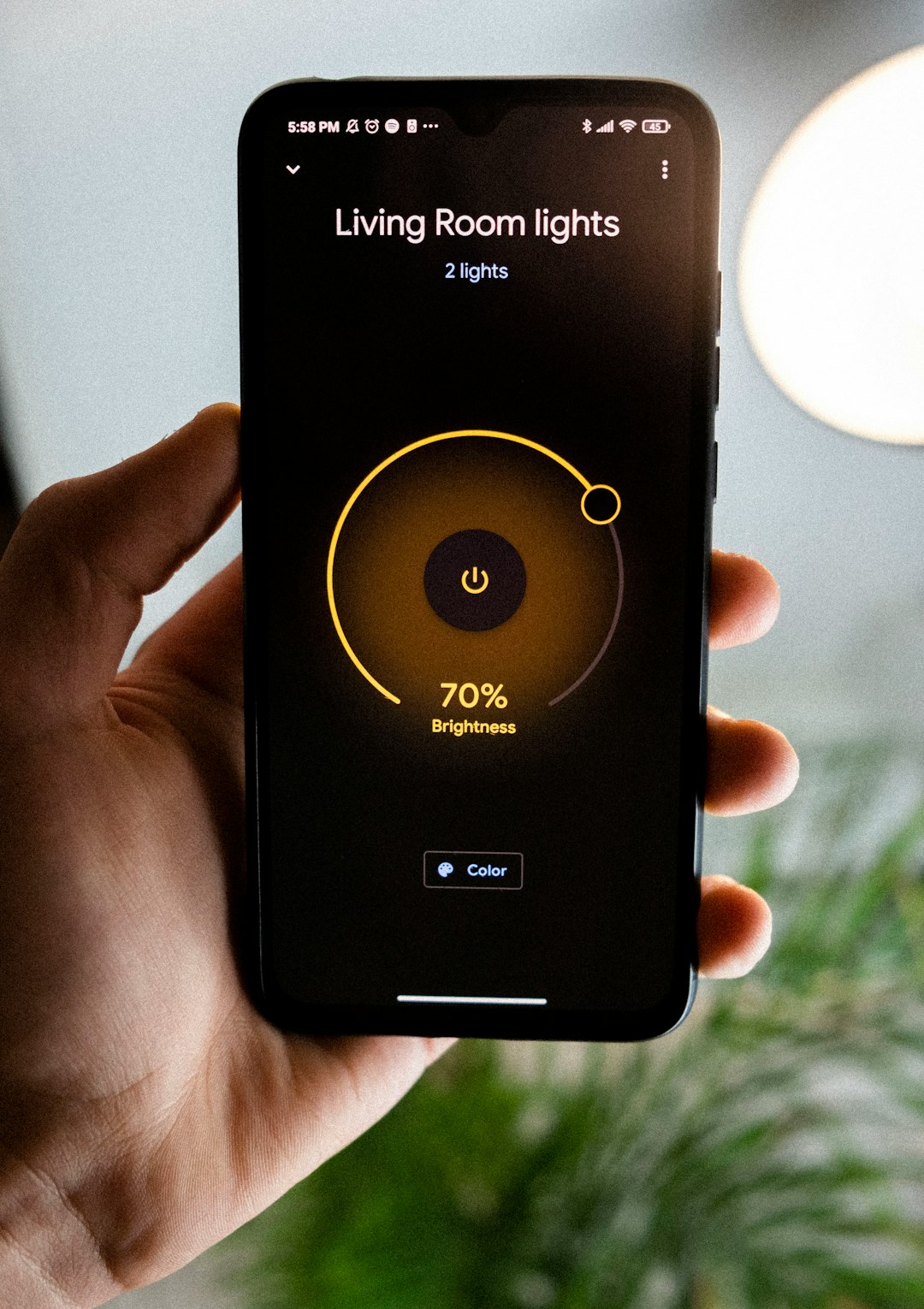
Explanation: Smart lighting transforms how you interact with light, offering control over brightness, color, and scheduling from anywhere.
Real-World Example/Application: Install Wi-Fi or Zigbee smart bulbs (e.g., Philips Hue, Govee) to create scheduled lighting routines—lights turning on at dawn, or mimicking presence when you’re on vacation. For a more integrated solution, replace wall switches with smart ones to control any attached bulb.
Benefit/Outcome: Increased convenience, improved home security (simulated occupancy), and potential energy savings by ensuring lights are only on when needed.
Warnings/Considerations: When replacing wall switches, ALWAYS cut the main power at your circuit breaker before touching any wires. Use a non-contact voltage tester to confirm no current is present. Ensure the new switch is compatible with your home’s wiring (many require a neutral wire).
- Target Audience: Beginner to Intermediate DIYers looking for immediate impact.
- Difficulty Level: Beginner (bulbs), Intermediate (switches)
- Estimated Implementation Timeframe: Quick Win (bulbs), Moderate Effort (switches)
B. Smart Climate Control
Explanation: Optimizing your home’s temperature for comfort and energy efficiency, controllable from anywhere.
Real-World Example/Application: Replace your traditional thermostat with a smart thermostat (e.g., Nest, Ecobee). Program it to adjust temperatures based on your schedule, or use geofencing to pre-cool/heat your home as you approach. If you have radiators, smart thermostatic radiator valves (TRVs) allow individual room temperature control.
Benefit/Outcome: Significant energy savings, enhanced comfort with personalized climate zones, and remote control over your home’s environment.
Warnings/Considerations: As with lighting switches, always cut power from the main breaker before wiring a smart thermostat. Ensure compatibility with your existing HVAC system.
- Target Audience: Intermediate DIYers focused on energy efficiency and comfort.
- Difficulty Level: Intermediate
- Estimated Implementation Timeframe: Moderate Effort
C. Enhanced Security and Monitoring
Explanation: Augmenting home security with smart devices provides peace of mind through remote monitoring and instant alerts.
Real-World Example/Application: Install a smart video doorbell (e.g., Ring, Arlo) to see, hear, and speak to visitors from anywhere. Smart locks (e.g., August, Yale) allow keyless entry and remote access management. Indoor/outdoor cameras (e.g., Wyze, Eufy) detect motion and provide live feeds, while door/window sensors alert you to unauthorized access.
Benefit/Outcome: Enhanced security, remote monitoring capabilities, and the ability to grant temporary access, all contributing to greater peace of mind.
Warnings/Considerations: Smart locks may require drilling if your door’s bore holes are not standard. Outdoor cameras require secure mounting and power access. Always prioritize strong, unique passwords and two-factor authentication for all security devices.
- Target Audience: Intermediate DIYers prioritizing safety and surveillance.
- Difficulty Level: Intermediate
- Estimated Implementation Timeframe: Moderate Effort
D. Smart Plugs and Appliance Control
Explanation: Convert any “dumb” appliance into a smart one with simple plug-and-play devices.
Real-World Example/Application: Use smart plugs (e.g., TP-Link Kasa, Meross) to program your coffee maker to start brewing before you wake up, or to remotely turn off lamps or fans. Monitor energy consumption of plugged-in devices to identify “vampire” power drainers and save on electricity bills.
Benefit/Outcome: Adds smart functionality to non-smart devices, automates routines, and helps reduce standby power consumption.
Warnings/Considerations: Ensure the smart plug’s maximum load capacity is appropriate for the appliance you’re connecting. Most are for lower-power devices.
- Target Audience: Beginner DIYers looking for quick, impactful automations.
- Difficulty Level: Beginner
- Estimated Implementation Timeframe: Quick Win
E. Automated Routines and Scenes
Explanation: The true “magic” of a smart home lies in connecting multiple devices to execute sequences of actions based on triggers.
Real-World Example/Application: Create a “Good Morning” routine where your alarm triggers bedroom lights to softly glow, the thermostat adjusts, and your smart speaker plays news and weather. A “Movie Night” scene could dim lights, adjust the thermostat, and power on your TV/sound system with a single voice command.
Benefit/Outcome: Seamless, effortless control over multiple aspects of your home environment, creating personalized experiences and saving time.
Warnings/Considerations: Ensure all devices are properly linked within your chosen smart home ecosystem’s app (e.g., Amazon Alexa, Google Home). Test routines thoroughly to catch any misconfigurations.
- Target Audience: Intermediate to Advanced users ready to unlock full smart home potential.
- Difficulty Level: Intermediate
- Estimated Implementation Timeframe: Moderate Effort
-
3. Prioritize Security, Privacy, and Future-Proofing Your Smart Home
As you enjoy your smart home, it’s crucial to address physical safety, cybersecurity, privacy, and ensure your system remains relevant and scalable for the future.
A. Safety First: Electrical and Physical Precautions
Explanation: When handling electrical wiring for smart switches or thermostats, safety is paramount to prevent injury or damage.
Real-World Example/Application: When installing smart lighting switches or thermostats, always turn off the main circuit breaker for that area of the house. Use a non-contact voltage tester to confirm there is no live current before touching any wires. If you are unsure or uncomfortable with electrical work, consult a qualified electrician.
Benefit/Outcome: Prevents electrical shocks, short circuits, and ensures a safe installation process for you and your home.
Warnings/Considerations: Never bypass safety steps. Incorrect wiring can lead to device malfunction, fire hazards, or personal injury.
- Target Audience: All DIY smart home users, especially those doing electrical installations.
- Difficulty Level: Beginner (following safety protocols)
- Estimated Implementation Timeframe: Quick Win (prioritizing safety during installation)
B. Fortify Your Cybersecurity and Privacy
Explanation: Smart devices are entry points to your network. Protecting them from hackers and safeguarding your personal data is essential.
Real-World Example/Application: Use strong, unique passwords for your Wi-Fi network and all smart device accounts. Activate two-factor authentication (2FA) wherever available. Regularly update your devices’ firmware and router software. Consider setting up a separate guest Wi-Fi network for your smart devices to isolate them from your main network.
Benefit/Outcome: Reduces the risk of unauthorized access, protects your personal data, and maintains the integrity of your home network.
Warnings/Considerations: Understand the privacy policies of manufacturers. Be mindful of where you place cameras and microphones, and use physical mute buttons when not in use to protect your intimacy.
- Target Audience: All smart home users concerned with data security and personal privacy.
- Difficulty Level: Intermediate
- Estimated Implementation Timeframe: Moderate Effort (ongoing maintenance)
C. Future-Proofing Your Smart Home
Explanation: Building a smart home that can adapt to future technological advancements ensures your investment remains valuable.
Real-World Example/Application: Prioritize devices that support open standards like Matter, which promises broad compatibility across brands. Choose a smart home ecosystem (e.g., Alexa, Google Home, HomeKit) with a strong reputation for scalability and manufacturer support. Look for brands that regularly release software updates, enhancing security and adding new features. For critical automations, consider hubs that offer local control, meaning they can operate even without an internet connection.
Benefit/Outcome: Your smart home system will remain functional and compatible as technology evolves, protecting your investment and preventing obsolescence.
Warnings/Considerations: Avoid proprietary systems that lock you into one brand without broader compatibility. Research manufacturer commitment to long-term support and updates.
- Target Audience: Intermediate to Advanced DIYers focused on long-term value and system resilience.
- Difficulty Level: Advanced
- Estimated Implementation Timeframe: Long-Term Project (ongoing evaluation and upgrades)
Conclusion
The journey to creating a smart home with your own hands is one of the most rewarding adventures you can undertake to simplify your daily life. From identifying your needs to implementing specific projects and troubleshooting minor issues, the DIY approach is accessible, empowering, and profoundly transformative.
By connecting lighting, climate control, security, appliances, and entertainment into a cohesive system, you not only save time and money but also create a space that adapts to you, enhances security, and offers unparalleled comfort. Energy efficiency comes hand-in-hand with intelligent automation, and the peace of mind from having your home under control, even remotely, is priceless.
Remember to start small, choose your projects wisely, and expand as you grow more comfortable. Smart home technology is constantly evolving, but with good planning and a willingness to learn, your home will not only become smarter but will also transform into a loyal assistant, tirelessly working to improve your quality of life. Your home, smarter, more efficient, and truly yours, built by your own hands.