



Millennials Are Reconfiguring the DIY and Maker Movement by 2026
The innate human desire to create with our hands has always been present. The magic of “Do-It-Yourself” (DIY) and the broader “Maker” movement have existed for centuries. However, we’ve never witnessed an explosion and transformation quite as dynamic as the one unfolding now, with Millennials at the helm. By 2026, our generation, firmly established as a dominant force in both the workforce and consumer markets, will have completely rewritten the rules of how we create, produce, and consume.
We are witnessing a fascinating fusion: the ingenuity of our grandparents blended with cutting-edge technology, social consciousness intertwined with an entrepreneurial spirit, and personal independence balanced with a strong sense of community. Millennials aren’t just participating; we are fundamentally reinventing what it means to be a “maker” in the 21st century.
This redefinition is no mere coincidence. It stems from a unique mix of economic, technological, and sociocultural factors deeply embedded in the Millennial DNA. We came of age as the internet took flight and matured in a world marked by economic uncertainty and an overwhelming flood of mass-produced goods. This crucible has forged a unique set of values, positioning us as the perfect catalysts for the evolution of DIY and the Maker movement.
Our digital fluency, yearning for authenticity, inclination towards sustainability, and robust sense of community are the cornerstones of this new era of creation. Looking towards 2026, we foresee a vibrant ecosystem where personal fabrication and open innovation are far more than mere hobbies. They are powerful forces actively shaping local economies, social networks, and even professional career paths.
The Millennial Mindset: Driving the Evolution of DIY
The indelible mark Millennials are leaving on DIY and Maker culture is not accidental; it is a direct consequence of our distinct worldview and priorities. Several key forces have shaped this mindset, propelling us to embrace and reconfigure personal creation:
1. Financial Acumen and the Search for Meaning
Navigating economic crises and a highly competitive job market has instilled in us a keen awareness of value. DIY often serves as a smart strategy to save money on home repairs, clothing, furniture, or even gifts. Yet, beyond the financial savings, there’s undeniable worth in possessing something unique, well-made, and distinct from mass production. By 2026, this motivation has become more sophisticated: it’s no longer just about “saving a dollar,” but about “investing in quality and durability,” directly challenging planned obsolescence.
2. Planet, Ethics, and Conscious Consumption
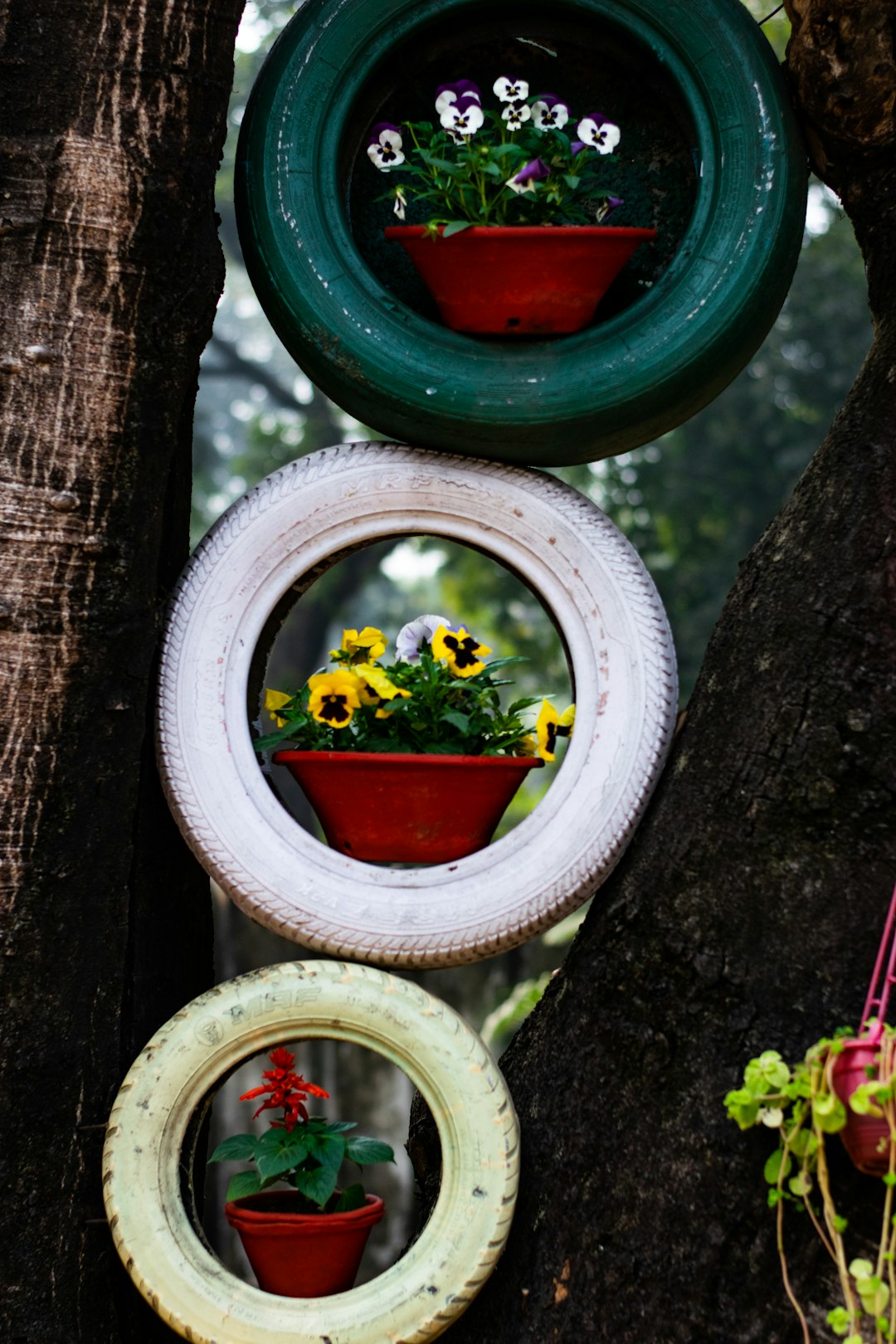
Our generation is deeply concerned about environmental and social challenges. The DIY and Maker culture offers a direct pathway to practice more ethical and sustainable consumption. This manifests in upcycling, repairing instead of discarding, creating durable products, and using recycled or locally and ethically sourced materials. By 2026, sustainability is not just an option but a fundamental principle integrated into almost every DIY project, from waste management to the careful selection of components to minimize environmental impact.
3. Authenticity, Customization, and Self-Expression
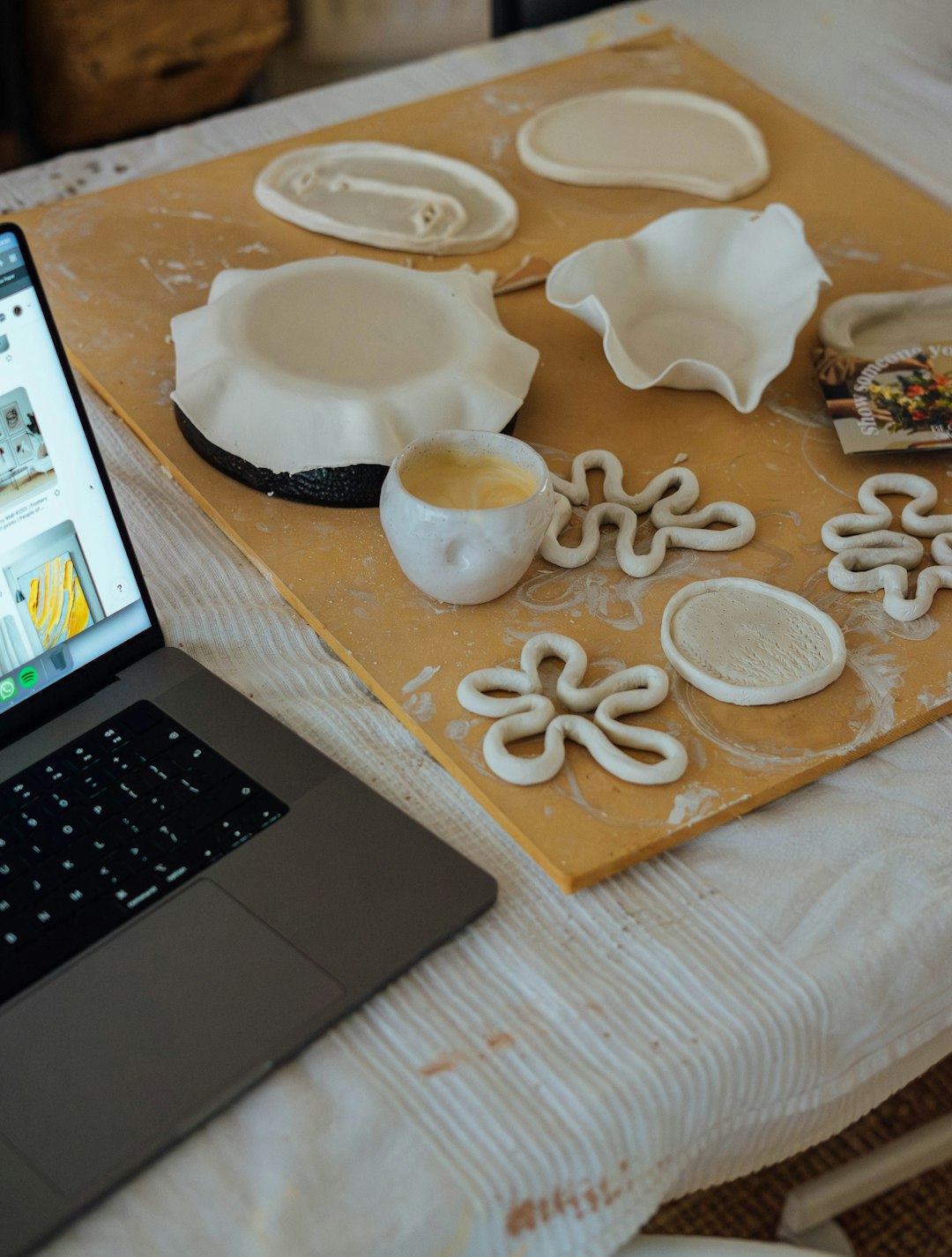
Weary of a world filled with standardized products, we crave authenticity and personal expression. DIY and Maker culture fulfill this desire by allowing us to create objects that powerfully reflect our identity, values, and style. From personalized clothing to custom furniture or unique gadgets, the ability to infuse a piece with our essence is a powerful magnet. In 2026, this personalization extends beyond aesthetics, delving into functionality and interaction, crafting objects that truly adapt to our most individual needs and desires.
4. The Power of Community, Collaboration, and Sharing
We are a hyper-connected generation. Growing up with the internet and social media has fostered a strong sense of community and a habit of sharing knowledge. Online forums, social media groups, YouTube channels, and physical makerspaces have become vital hubs for exchanging ideas, tutorials, solving problems, and mutual support. This collaborative culture has democratized access to skills and tools once reserved for experts. By 2026, these collaborative networks are global and highly specialized, enabling us to quickly find the expertise needed for any project.
5. Continuous Learning and Skill Acquisition
There’s an inherent gratification in learning new things and mastering a craft. For us, the learning process is as rewarding as the final product. This fuels a thirst for knowledge in areas ranging from basic carpentry to microcontroller programming and 3D design. DIY and Maker culture transform into a platform for continuous personal and professional development, valuing self-sufficiency and problem-solving capabilities. In 2026, micro-credentials and project-based learning are more formally integrated into educational and professional pathways, validating skills acquired through the Maker movement.
6. The Advantage of Being Digital Natives
Having grown up with technology, we possess an innate comfort with the digital tools essential to the modern Maker movement. Searching for online tutorials, using design software, operating 3D printers, and working with microcontrollers are not barriers; they are natural extensions of our digital environment. This fluency has accelerated the adoption of advanced technologies in the DIY space. By 2026, the connection between the user and digital tools is even more intuitive, often aided by artificial intelligence, significantly reducing the learning curve for even complex endeavors.
Technology Integration: The Digital Backbone of Modern Making
The true Millennial revolution in DIY and Maker culture by 2026 lies in our ability to merge timeless craft techniques with the most advanced tools of the digital age. Technology isn’t just an add-on; it’s the engine that has democratized manufacturing and dramatically expanded the horizon of what’s possible.
1. 3D Printing: Your Imagination, Materialized
By 2026, 3D printing is as commonplace a DIY tool as a drill or a saw. Its prices have plummeted, and it has become significantly easier to use. We leverage it for:
- Instant Prototypes: Rapidly shaping and testing ideas.
- Custom Spare Parts: Printing that exact piece that broke in the washing machine or the kids’ toy.
- Ultimate Personalization: Designing and fabricating truly unique objects, from bespoke jewelry to ergonomic home components.
- Borderless Manufacturing: The ability to “download” a design and fabricate it at home or in a makerspace, independent of distant supply chains. Materials have also vastly improved, with compostable bioplastics and recycled options now widely available.
2. Laser Cutting and CNC Milling: Surgical Precision for Your Workshop
These machines, once exclusive to industry, are now readily accessible in makerspaces or through affordable desktop versions. They enable us to:
- Create Complex Designs: Cut and engrave with incredible precision materials like wood, acrylic, or leather for furniture, decor, or electronic prototypes.
- Fabricate Components: Produce enclosures for electronic projects, sewing templates, or hyper-realistic model parts.
- Small-Scale Production: Facilitate the creation of personalized products for micro-businesses.
3. Microcontrollers and IoT (Arduino, Raspberry Pi): Your Smart Home, DIY Style
Programming and electronics have become accessible thanks to platforms like Arduino and Raspberry Pi. By 2026, we utilize them to:
- Automate the Home: Assemble smart lighting systems, energy monitors, or self-activating irrigation systems.
- Personalized Gadgets: Develop unique devices that solve specific problems, from a personal weather station to voice assistants tailored to our preferences.
- Fun and Functional Robotics: Create small household robots or delve into mechatronics learning.
- Sensors for Sustainability: Monitor home air quality, water consumption, or the health of plants in urban mini-gardens.
4. AI-Assisted Design and Generative Manufacturing: Your Best Design Companion
Artificial intelligence isn’t just for large corporations. In 2026, AI-powered software assists us in:
- Optimizing Designs: Suggesting improvements for material efficiency, enhanced durability, or simply better aesthetics.
- Generating Diverse Ideas: Creating numerous design options based on our input, accelerating the creative phase.
- Assembly Assistance: Providing step-by-step visual instructions, sometimes with Augmented Reality projections.
- Predictive Maintenance: Smart tools that alert us if a component of our manufacturing equipment is about to wear out.
5. Augmented Reality (AR) and Virtual Reality (VR) for Learning and Design
AR and VR are revolutionizing how we learn and design.
- Immersive Tutorials: AR overlays instructions directly onto the physical object as we work, guiding us step-by-step. It’s like having the instructor inside the workshop!
- Design Visualization: VR allows us to “walk through” a furniture design or a home renovation plan before cutting a single piece of wood.
- Remote Collaboration: Entire teams can work together on a virtual 3D model from anywhere in the world.
- Process Simulation: Practicing the use of complex tools in a safe virtual environment before making mistakes in real life.
6. Online Platforms and Digital Ecosystems: The Glue that Binds It All
Digital infrastructure is the key that holds everything together. By 2026, these platforms have matured:
- Etsy, Shopify, and Specialized Marketplaces: Remaining favorite storefronts for selling creations.
- 3D Model Repositories (Thingiverse, Printables): Vast libraries of free and paid designs.
- Intuitive Design Software (Tinkercad, Fusion 360, Shapr3D): Accessible for novices and professionals alike.
- Learning Platforms (YouTube, Skillshare, Coursera): Providing on-demand knowledge for any skill we wish to acquire.
The seamless integration of these technologies empowers Millennials to transcend the limitations of traditional DIY, transforming it into a highly sophisticated and accessible personal manufacturing movement.

Redefining “Making”: Far Beyond Traditional Crafts
The Millennial influence hasn’t merely adopted new technologies; it has radically expanded our understanding of what “making” entails. By 2026, being a “Maker” encompasses a much broader range of activities than typical crafts or repairs.
1. Digital Art and Creative Fabrication: When Your Screen Becomes Tangible
The boundary between art and engineering has blurred.
- Graphic and Product Design: No longer just for screen viewing, but for creating physical objects through 3D printing or laser cutting.
- Media and Content Creation: Producing podcasts, educational videos, music, and digital art are considered valid forms of “making” that require technical and creative skills similar to those of a carpenter or potter.
- Smart Textiles and Personalized Fashion: Designing and fabricating clothing that integrates wearable technology, or creating unique patterns for on-demand printed fabrics.
2. Sustainable Creation and the Circular Economy: Giving Everything a Second Life
The focus on sustainability has elevated upcycling, repair, and reuse to an art form and an economic necessity.
- Home Furniture and Decor: Transforming discarded objects into functional and stylish pieces.
- Circular Fashion: Repairing clothes, refreshing old garments, or creating new ones from reclaimed textiles.
- Green DIY: Building homemade composters, rainwater harvesting systems, or automated vertical gardens. Repair has become a virtue, with “repair cafes” and workshops flourishing to teach us how to extend the lifespan of our belongings.
3. DIY Food and Beverages: From Garden to Table, to Our Taste
The pursuit of healthy, traceable, and personalized food has fueled a boom in culinary DIY.
- Fermentation and Home Brewing: Bread, beer, kombucha, pickles, cheeses. Control over ingredients and process is key.
- Urban Agriculture and Smart Gardens: Growing food at home or in community spaces, often aided by automated monitoring and irrigation systems using microcontrollers.
- Food Preservation and Processing: Reducing waste and ensuring year-round access to seasonal products.
4. Home Renovations and Smart Upgrades: Your Home, a Personal Laboratory
Renovations are no longer just about aesthetics; they focus on functionality and efficiency.
- Smart Tech Integration: Installing DIY security systems, adaptive lighting, or environmental controls, often with open-source components.
- Energy Efficiency: Improving insulation, installing small solar panels, or building water collection systems.
- Modular and Adaptable Design: Creating furniture or storage solutions that adapt to changing spaces or future needs, very popular among Millennials living in apartments or smaller homes.
5. Wearable Technology and DIY Fashion: When Clothes Get Smart
The convergence of fashion and technology allows for the creation of unique garments and accessories.
- Personalized Smart Devices: From jewelry that monitors our mood to t-shirts with programmable LED screens.
- Functional Textiles: Integrating sensors, LEDs, or heating elements into clothing for diverse applications.
- Pattern Design and Digital Garment Making: Using software and laser cutters to create precise, personalized clothing patterns.
6. Community-Driven and Social Good Projects: Making a Difference with Our Hands
The act of “making” extends to solving collective problems.
- Open-Source Hardware: Designing and fabricating useful devices (e.g., low-cost medical devices, agricultural tools) whose specifications are freely shared.
- Hackathons and “Make-a-thon” Events: Collaborating on intensive projects to address social, environmental, or technological challenges.
- Fabrication of Aids for the Disabled: Designing and building personalized, affordable solutions for people with special needs.
This expansion of the scope of “making” demonstrates that Millennial culture has transformed DIY into a multifaceted movement that touches almost every aspect of modern life, from the purely aesthetic to the functionally essential and the socially impactful.
The Rise of the “Prosumer” and Micro-Entrepreneurship: From Hobby to Business
One of the most significant impacts Millennials are having on DIY and Maker culture by 2026 is the blurring of the line between consumer and producer. This generation has enthusiastically embraced the “prosumer” – one who not only consumes but also produces – leading to an explosion of micro-entrepreneurship.
1. From Hobby to Enterprise: Never Easier to Start
Digital fabrication tools and e-commerce platforms have drastically reduced the initial costs and technical barriers to starting a business. What begins as a weekend hobby, like 3D printing figurines or crafting personalized jewelry, can quickly evolve into a source of income. Millennials, often seeking work flexibility and autonomy, view this as a highly attractive alternative to traditional office jobs.
2. E-commerce and Social Media: Your Global Shop Windows
By 2026, platforms like Etsy, Instagram Shop, Shopify, and Amazon Handmade are not just marketplaces but complete ecosystems that enable makers to build brands, tell stories, and connect directly with a global audience. We are adept at digital marketing, using these tools to showcase creations, manage orders, and process payments, all from a home workshop.
3. Niche Markets and Hyper-Personalization
The ability to manufacture products in small batches or entirely customized allows micro-entrepreneurs to cater to specific niche markets that large corporations cannot or will not serve. This can range from personalized pet accessories to replacement parts for vintage car models, or functional art for themed interior decorations. The demand for unique, custom-made products is a growing trend that makers are fully capitalizing on.
4. Ethical and Sustainable Brands: Valued Added Benefits
Millennial consumers are willing to pay more for products that are ethical, sustainable, and transparently sourced. Makers can easily meet these expectations, as we often use recycled materials, low-impact production processes, and ensure fair labor conditions (often our own). Storytelling behind the product and its positive impact is a powerful marketing tool.
5. Crowdfunding and Pre-orders: Direct Funding from the People
Platforms like Kickstarter and Indiegogo enable makers to fund projects directly through pre-orders or donations from our community of followers. This eliminates the need for traditional venture capital and empowers creators to validate ideas in the market before committing to large-scale production. By 2026, this has expanded to subscription models for personalized products or DIY kits.
6. The Gig Economy Connection: You Are the Boss
Maker micro-entrepreneurship fits perfectly within the gig economy. Makers can offer our skills for specific projects, from fabricating prototypes for inventors to creating custom accessories for events. This allows us to diversify income streams and maintain complete control over our time and projects.
In 2026, the business landscape is dotted with thousands of small and medium-sized businesses driven by Millennial makers. These ventures are not only creating innovative products but also boosting local economies, promoting sustainable practices, and redefining the path to professional success, prioritizing passion and purpose.
Community, Collaboration, and Shared Learning Spaces
DIY and Maker culture, as redefined by Millennials in 2026, is not a solitary endeavor but a phenomenon deeply rooted in community, collaboration, and shared learning. This generation has built and nurtured vibrant ecosystems that allow us not only to create but also to grow and connect.
1. Makerspaces and Community Workshops: Our 21st-Century Garages
By 2026, makerspaces have solidified their position as pillars in many communities, both urban and rural. These venues offer shared access to expensive tools (3D printers, laser cutters, CNC mills, woodworking, and electronics equipment) that would otherwise be inaccessible to individual makers. Beyond the hardware, they are knowledge hubs where workshops are held, skills are shared, and project collaboration is fostered. They function as incubators for ideas and small businesses, where experimenting and even failing are seen as essential parts of the learning process.
2. Online Forums and Social Networks: The Global Neighborhood Patio
Digital platforms remain crucial. Reddit, Discord, specialized Facebook groups, and dedicated forums serve as spaces to solve problems, showcase projects, exchange tutorials, and seek inspiration. The ability to instantly connect with a global community of makers with similar interests means no one has to “do it alone.” This global interconnectedness facilitates the rapid transfer of knowledge and collaboration on geographically distributed projects.
3. The Open Source and Open Design Movement: Sharing to Multiply
We have enthusiastically embraced the philosophy of Open Source and Open Hardware. Project designs, microcontroller programming code, and machine specifications are freely shared, allowing others to modify, improve, and build upon them. This accelerates innovation, democratizes access to technology, and fosters a sense of collective ownership over knowledge. In 2026, vast libraries of open-source designs exist for everything from electronic components to modular furniture and renewable energy systems.
4. DIY Educational Content and Creator Influence: Our On-Screen Teachers
YouTube, TikTok, micro-learning platforms, and specialized blogs are invaluable sources of knowledge. “DIY influencers” and “Maker educators” have become key figures, breaking down complex processes into easy-to-follow tutorials, inspiring millions, and building loyal learning communities. This form of informal, on-demand education has empowered us to acquire new skills without needing formal education.
5. Mentorship and Intergenerational Skill Transfer: Learning More Together
While Millennials are the driving force, we are not isolated. There’s significant interaction with older generations (Gen X and Boomers) who often possess valuable traditional craft skills, and with younger generations (Gen Z and Alpha) who bring fresh digital perspectives. Makerspaces and community events facilitate this informal mentorship, where skills are transmitted and adapted to new technological contexts.
6. Collaborative Innovation for the Common Good: Joining Hands for a Better World
Our Millennial maker culture also extends to solving community and global problems. Collaborative projects to create low-cost solutions for housing crises, food shortages, or energy access are increasingly common. We organize to design and fabricate personal protective equipment during emergencies, build water filtration stations in underserved communities, or prototype solutions for waste management.
In 2026, DIY and Maker culture, under Millennial direction, is much more than the sum of its parts. It is a social movement that values interconnectedness, continuous learning, and the belief that, together, we can build a better world, one creation at a time.
Challenges and What Lies Ahead (2026)
Despite its exponential growth and profound influence, the DIY and Maker culture redefined by Millennials in 2026 faces a series of challenges and opportunities that will determine its future path.
1. Accessibility and the Digital Divide: Leaving No One Behind
While technology has democratized access to tools, a gap still exists. Not everyone has the financial means to invest in personal 3D printers or access to makerspaces in their communities. High-speed internet access and digital literacy remain barriers for some. The challenge for 2026 is how to make these opportunities truly universal, perhaps through public funding programs for makerspaces, subsidized access to equipment, or digital training initiatives in underserved communities.
2. Sustainability and Waste Management: Creating with Conscience
Although sustainability is a core value, personal fabrication is not without its own environmental footprint. The excessive use of certain plastics in 3D printing, the disposal of electronic components, and how we manage material byproducts can be problematic. The future demands greater awareness of material life cycles, the development of more eco-friendly materials (advanced bioplastics, easily recyclable materials), and the establishment of infrastructure for recycling and reusing maker components. The responsibility of the “manufacturer,” even on a small scale, will become an increasingly important topic.
3. Intellectual Property in an Open World: The Creator’s Dilemma
The tension between the “open source” philosophy and the need to protect individual creators’ ideas remains a challenge. How are makers compensated for their designs if they are freely shared? How do we prevent exact copies and unauthorized commercialization of open designs? In 2026, we will likely see the evolution of new licensing models, blockchain-based attribution systems, and self-regulating communities that value both collaborative innovation and original creator recognition.
4. New Skills and Continuous Learning: Always Evolving
Maker technologies evolve at breakneck speed. Staying current with the latest software, manufacturing techniques, and electronic components requires a constant commitment to learning. The risk is that the gap between experienced makers and beginners could widen. Educational platforms and mentorship programs will become even more crucial to bridge these gaps and ensure that maker culture remains inclusive for newcomers.
5. Business or Passion?: Maintaining the Essence
As more makers transition into micro-entrepreneurs, there’s a risk that commercial pressure might overshadow the intrinsic joy of creating and experimenting. Maintaining the spirit of curiosity, learning, and collaboration that defines the movement will be vital. Balancing the need to generate income with the passion for “making” will require a conscious focus on community and underlying values.
6. The Future is Hybrid: Uniting Worlds
By 2026, DIY and Maker culture will be an even more fluid blend of the digital and the analog, the individual and the collaborative. It won’t be about choosing between traditional craftsmanship and digital fabrication, but about integrating the best of both worlds. The skill of a carpenter working wood combined with the precision of a laser cutter, or an artist’s vision fused with the capabilities of 3D printing, will define the new wave of creation.
Conclusion
Millennials are not merely participating in DIY and Maker culture; we are fundamentally redefining it. By 2026, we will have orchestrated a transformation that merges digital agility with timeless craftsmanship, sustainable consciousness with entrepreneurial ingenuity, and global connection with our most personal expression. This generation, driven by a desire for authenticity, sustainability, economic empowerment, and community, has embraced 21st-century tools to create a new paradigm of production and consumption.
We have propelled the mass adoption of technologies like 3D printing, laser cutting, and programmable electronics, transforming the act of “making” into a highly personalized and technologically advanced experience. The very concept of “fabrication” has expanded, encompassing everything from food and fashion to smart home technology and solutions for social problems. Furthermore, we have catalyzed the rise of micro-entrepreneurship, where individual passions evolve into sustainable businesses, fueling a creator economy. Finally, we have woven a rich tapestry of communities, makerspaces, and open-source platforms that foster learning, collaboration, and collective innovation.
In 2026, DIY and Maker culture, shaped by our Millennial vision, is not a fleeting phenomenon. It is a powerful force permeating the economy, education, and social values, empowering individuals not only to consume the world around them but to actively design, build, and improve it. It is the promise of a future where creativity and self-sufficiency are central values, and where the ability to materialize an idea is within everyone’s reach.