





Hands-On with Clay: Your Guide to Crafting Handmade Ceramic Tiles
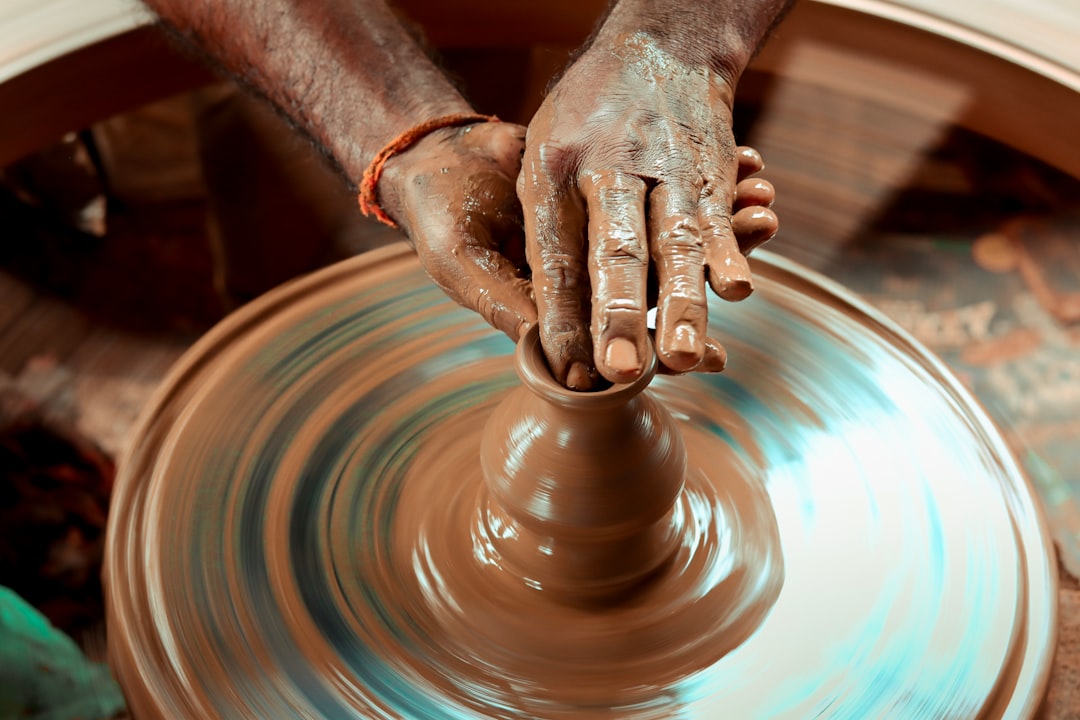
Have you ever dreamed of creating something unique with your own hands? Ceramic art, especially tile making, is a wonderful adventure that will fill you with satisfaction—and perhaps a few surprises! Working with clay is an unpredictable art: your pieces can warp, shrink, or even (and this can be a bit scary, but it happens) explode in the kiln if an air bubble escapes your wedging process. But don’t worry, that’s the magic of handmade creations! The key is consistency, learning from every mistake, and most importantly, falling in love with those “imperfections” that make each tile a unique work of art with its own soul.
This guide will walk you step-by-step through this fascinating world, giving you all the tricks to enjoy the process. And yes, there will be breakages and shrinkage, but that’s part of the story—part of your creative adventure!
Key Details for Your Ceramic Journey:
- Time Commitment: Several days (patience is a virtue here!)
- Skill Level: Beginner (everyone starts somewhere!)
- Initial Investment: Approximately $100 to $500 (consider it an investment in your creativity)
Tools and Materials You’ll Need
Tools to Make Your Life Easier:
- Brushes or a spray gun (for glazing, add color!)
- Wire or clay cutting tool (your clay “knife”)
- File or sandpaper (for those unruly edges)
- Ceramic kiln (the heart of the process!)
- Rolling pin (like a kitchen one, but for clay)
- Slab roller (if you want to go big)
- Templates or silicone mats with textures (for a personal touch!)
- Textured wooden rolling pin (more textures, more fun!)
- Tile plunger cutter (like a cookie cutter, but for tiles!)
Essential Materials:
- Canvas cloth (so the clay doesn’t stick)
- Ceramic glaze (the magic paint!)
- Cleaning sponges (to keep everything spotless)
- A piece of scrap wood (your friend for details)
- Stoneware clay with grog (the star of your show!)

Your Step-by-Step Journey in Tile Creation (10 Steps)
Step 1: Hands-on with Clay! Choose and Prepare Your Piece
First things first: you need good clay. Look for mid-range stoneware clay. Expert Tip: Steer clear of earthenware clay! Why? Because it fires at lower temperatures and doesn’t become fully waterproof, which would be disastrous if you want to use your tiles in places like the kitchen or bathroom.
Once you have your bag, open it and cut a “slice” of clay about 2 to 2.5 cm thick. Use a wire or a clay cutting tool. Now, for the important part: wedge and press the clay firmly. The goal? Get rid of any air bubbles. Those treacherous little pockets can cause your piece to explode in the kiln, and we certainly don’t want that!
Step 2: Shape Your Slab
Now that your clay is ready, let’s roll it out. You need a slab approximately 1 cm thick. You can use a special slab roller or your regular rolling pin, but with 1 cm wooden guides on the sides to ensure uniform thickness. Don’t forget to place a canvas cloth underneath so the clay doesn’t stick to the roller or the table!
Step 3: Cut the Tiles
With your slab rolled out, it’s crunch time! Use your tile plunger cutter and choose the shape you like best. Think of them as cookie cutters, but for clay. Press the metal edges firmly through the slab and then, by pushing the plunger, your tile will pop out in the desired shape. You’ll see how easy it is!
Step 4: A Finishing Touch: Clean Up Those Edges
It’s normal for the edges to not be perfect when you remove the tile from the cutter, perhaps a little stuck or curved. Don’t worry, it’s part of the charm and easily fixable!
Use a small piece of scrap wood to help you straighten and shape the sides. Then, gently run your finger along the edges to smooth them out and round off any raised corners. Clay is very malleable, so work the shape until you’re satisfied.
A little secret to remember: the tile will dry exactly in the shape you leave it. And yes, it’s almost a law of physics: clay will shrink, warp, and contract a bit as it dries—there’s no completely controlling it! Keep in mind that smaller tiles (like 5 cm squares) tend to deform more easily.
Step 5: Add Your Signature! Texture or Pattern (Optional)
This is where your creativity can truly shine. Want to give your tiles a special texture? You have several options:
- With a template or silicone mat: When you’re rolling out the slab, place the template or mat directly on the clay, cover it with the canvas cloth, and roll over it again. Experiment with pressure to see how well the design imprints. Oh, and clean the template or mat between each pass to ensure a crisp design!
- With a textured wooden rolling pin: First, roll out the clay and cut the shape. Then, run the wooden roller with even pressure. Your tiles will likely distort a bit. To correct this, you can use the plunger cutter again, but very carefully so as not to press the plunger too hard and flatten the texture you just created. A little practice and you’ll get the hang of it!
Step 6: Drying: Patience, Young Ceramist!
Now comes one of the most difficult parts for the impatient: letting the tiles dry. They need five to seven days to be completely “bone dry.” This means the clay has lost all its moisture through air drying. The time can vary depending on the humidity in your area. How do you know if they’re ready? The color of the clay will lighten, they will weigh less, and they will feel room temperature, not cold and damp.
Clay has a habit of warping as it dries. To prevent this, you can place a flat surface and a little weight (without overdoing it, we don’t want to crush them!) over the damp tiles. Ensure good air circulation around them. Don’t be surprised if they shrink or take on slightly irregular shapes; that’s part of the story of your handmade tile!
Step 7: Where’s the Kiln? Time to Find One!
If you don’t have a ceramic kiln at home, don’t worry at all! Most ceramic studios offer firing sessions at a reasonable price. Search for the nearest studio and ask about their rates and schedules. The ceramic community is super friendly and always willing to lend a hand to beginners.
As seasoned ceramists know: “Don’t be afraid to ask, start slowly, and do tests. There are many Facebook groups, ceramic supply stores, and high school and university teachers happy to help. Those of us in this world are very welcoming and love to help others.” A golden piece of advice: start with small test batches before firing a large quantity of tiles for an important project. This way, you learn without pressure!
Step 8: The First Kiln Firing: Bisque Firing
Your tiles will go through the kiln twice. The first is the bisque firing, an initial low-temperature firing. This is where all the water leaves the clay, making it permanent and resistant for handling, but still porous so it can absorb the glaze well. Each firing usually takes about 24 hours to complete and return to a safe temperature for working.
For the mid-range stoneware clay we recommend, which fires between cone 04 and 06, this first bisque firing is done at cone 05.
Step 9: Time to Add Color! Apply the Glaze
Once your tiles have gone through their first bisque firing, it’s time for the fun part: applying the glaze! You can use a brush or a spray gun to cover each face and the edges of the tile. Apply several layers to ensure good coverage.
When the glaze has dried a bit, use a damp sponge to clean up any drips that have fallen and dried on the bottom of the tiles. This is important so the glaze doesn’t stick to the kiln shelf or other pieces during firing.
Step 10: The Final Firing: Glaze Magic!
Now, your glazed tiles return to the kiln. This time, the temperature (or cone) will be appropriate for the specific glaze you used, not for the clay itself. In this case, we recommend firing to cone 06.
Once the kiln has completely cooled, remove your tiles. Some glazed edges may be a bit sharp, so don’t hesitate to gently sand or file them down to perfection. And voilà! Your handmade tiles are ready to shine in the project you had in mind.
Questions You Might Be Asking (FAQ)
What is “grog” in clay?
Grog is like the secret ingredient in clay. Imagine it’s clay that has already been fired and then ground very finely. It’s added to raw clay to give it extra strength, like giving it “muscles.” This helps the clay be more stable while drying and firing, preventing cracks and reducing shrinkage. Furthermore, it makes the clay more porous, so it dries faster! This added strength makes it the ideal companion for hand-building, whether for large sculptures or your tiles.
How do I clean my new ceramic tiles?
Super easy! Ceramic tiles are cleaned with water and a little mild soap. A tip: avoid using bleach or very strong chemical products, both on the tiles and the grout. And an important point: make sure to dry them completely, because grout can absorb moisture and, over time, this could damage what’s underneath or even lead to mold growth.
What’s the difference between ceramic and porcelain tile?
Imagine they are cousins. Ceramic tiles are made with a slightly less “refined” clay and are fired at lower temperatures. That’s why they are a bit softer, more porous, and perfect for interior walls or low-traffic areas. Porcelain, on the other hand, is a denser, harder ceramic clay. Being finer, it needs to be fired at much higher temperatures. These intense firings give it superior water resistance and durability, making them ideal for floors, high-traffic areas, and even outdoors.
Can I make ceramic tiles without a kiln?
Yes, creativity has no limits! You can use air-dry clay, which is fantastic for simple crafts and doesn’t require a kiln. But be aware, this type of clay is not food-safe or waterproof. You could also try firing traditional clay in a homemade outdoor setup, such as a wood-fired stove, a fire pit, or a chimney. The only “but” with homemade firing is that it’s very difficult to consistently control the temperature, and you almost never reach the extreme temperatures (over 980 °C or 1800 °F) needed for clay to become truly hard and vitrified ceramic. Home ovens simply don’t get hot enough.