





Your Own Green Oasis: Build a Vertical Garden, Even if You Live in a Tiny Apartment!
Always dreamed of having a garden, right? But you live in the city, in a charming apartment or with a balcony that barely fits a chair. Don’t be discouraged! Vertical gardening is not just a trend; it’s like magic that allows you to have that little piece of nature you long for, transforming walls, balconies, terraces, and even that forgotten corner of your house into a lush green oasis. It’s about maximizing every inch, giving your home a breath of fresh air and, incidentally, having fresh herbs for your meals or flowers that brighten your sight!
And don’t worry, you don’t have to be an expert. This guide is here to accompany you step by step, from how to choose the best place to which plants to nurture, so your green adventure is a resounding success. You’ll see that lack of horizontal space is no excuse not to enjoy gardening!
Why Go Vertical? The Amazing Benefits of a Vertical Garden
The benefits of a vertical garden are so surprising you’ll wonder why you didn’t do it sooner!
1. Say Goodbye to Lack of Space!
Imagine this: an empty wall, or that balcony where your feet barely fit. What if you could transform that inert surface into a cascade of life? That’s precisely what a vertical garden does. You don’t occupy valuable floor space; you go upwards! It’s like having a complete vegetable garden or flower garden in a place where before there was just… air.
2. Your Home, a Living Work of Art
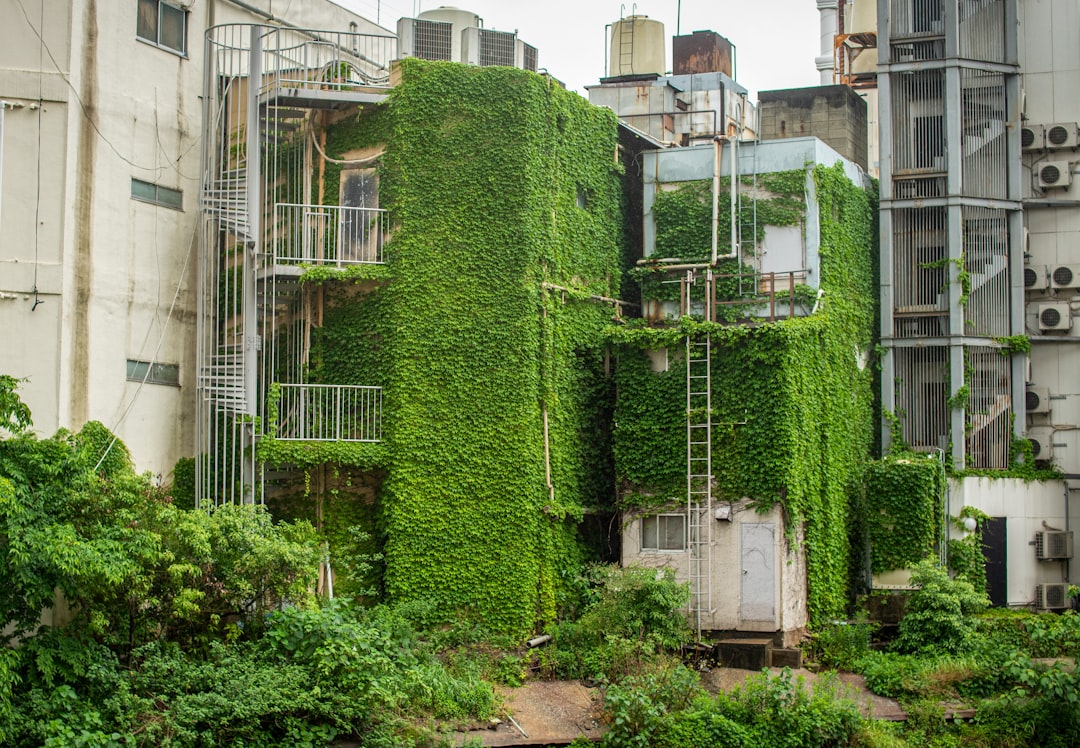
Goodbye to boring walls. Hello to your new work of art. A vertical garden is not just a garden; it’s a style statement! It will bring life, color, and textures that will turn any corner into the center of attention. Want more privacy? A green wall gives it to you! Need to hide something unsightly? Done! It’s like giving a breath of fresh air to your home.
3. Harvest More in Less Space
Believe it or not, going vertical can mean harvesting more. With your vertical garden, you can have fresh aromatic herbs, crisp lettuce, juicy strawberries… And all within reach! It’s the dream of urban self-sufficiency come true.
4. Say Goodbye to Back Pain!
Gardening no longer has to be torture for your knees. With a vertical garden, everything is at the perfect height. Planting, watering, pruning, harvesting… it’s a pleasure! Ideal for everyone, even if you have some mobility limitations.
5. Fewer Pests, Healthier Plants
By having your plants “in the air,” they not only breathe better (goodbye to humidity-related fungi), but they are also further away from those annoying crawling critters, like snails. And if an unwanted visitor appears, it will be much easier to find and remove them!
6. Smart and Sustainable Irrigation
Here’s more good news for the planet and your wallet. Many of these systems are designed so that every drop counts. The water that waters the plant above drips to the one below, and so on. A real saving and a step towards sustainability!
7. Purer Air and Ideal Temperature
Having a vertical garden is like having an extra lung at home. Your plants will purify the air you breathe, providing pure oxygen. And not only that, they can also be your ally against summer heat and winter cold! They function as a natural insulator that will help you feel cooler or warmer, and who knows, you might even save on your electricity bill!
8. Peace and Quiet at Home
If you live in a noisy city, your plants can also be your allies against stress! Their leaves act as a soft acoustic barrier, attenuating those annoying street noises. A little more peace and quiet for your home!
Planning Your Vertical Garden: The Foundation for Success
Hands-on! But before hammering the first nail, take a moment to dream and plan. A good foundation is the secret for your vertical garden to bring you much joy.
1. Where Will You Put It?
This is the most important step. Think about where you will locate your future oasis.
- Sunlight: Plants, like us, need sun to live. Observe your space: how many hours of direct sun does it receive? Is it full sun (more than 6 hours, perfect for almost everything), partial sun (3-6 hours) or rather shade (less than 3 hours)? This will decide what plants you can cultivate.
- Weight Support: Don’t underestimate the weight! Wet soil and large plants can be very heavy. Make sure the wall or structure you choose is strong and secure. If in doubt, it’s better to ask an expert!
- Water Source: Think about irrigation. Do you have a faucet nearby? It will be much easier. Imagine carrying buckets of water every day – it can be a chore!
- Accessibility: Make it beautiful, yes, but also practical. You will need to reach your plants to water them, prune them, and best of all, harvest their fruits!
- Drainage: Where will the excess water go? Make sure it doesn’t cause problems for your home or your downstairs neighbors. We don’t want any surprises!
2. What Type of System Suits You?
Now, it’s time to choose your green “canvas”! There are many options, and surely one fits your style and budget.
- Modular Panels or Pockets: They are like Lego for your plants. Easy to install, expandable, and very versatile. Perfect for almost any corner!
- Stackable Pots: If you like strawberries or herbs, these pots are wonderful! They stack on top of each other, creating a green tower.
- Pallet Gardens: If you are a “do-it-yourselfer” and have a tight budget, pallet gardens are for you! With a little skill, you will transform an old pallet into a rustic and charming garden.
- Gutter Gardens: Yes, rain gutters! Converted into green shelves, they are ideal for lettuce, spinach, and other shallow-rooted plants.
- Recycled Plastic Bottle Systems: A super eco-friendly and economical DIY option. Your plastic bottles can have a second life as a home for your plants!
- Trellises and Espaliers with Climbing Plants: If you have gourds or cherry tomatoes that want to climb, these structures are their private gym!
- Hydroponic or Aeroponic Systems: If you like technological challenges, these soilless systems are very efficient, though more complex and costly.
3. What Plants Will Be the Happiest?
And here comes the fun part: choosing your future green “companions”! The key is that they are happy in their new home.
- Light Needs: Remember the light requirements. Don’t expect shade-loving plants to thrive in full sun! If you have little light, look for plants that enjoy shade.
- Water Needs: Try to group the “thirsty” plants with the “water-savers” to make watering more efficient.
- Growth Habits: Think about how they grow. Look for compact plants, ones that hang nicely, or ones that don’t grow too large. We don’t want them to suffocate each other!
- Plant Weight: A melon, for example, is not a good idea for a felt pocket. Keep the mature weight of your plants in mind!
- Edible vs. Ornamental Varieties: It depends on what you are looking for: fresh salads or a burst of color?
Step-by-Step Guide: Building Your Vertical Garden
Ready for action! Once you have everything clear, let’s build that green dream.
A. Choosing Your System and Materials (in Detail)
- Modular Pocket or Panel Systems: These are the most versatile. Simply screw the frame to the wall, fill the pockets with potting mix, and plant! Ensure it is well leveled for aesthetic appeal and proper water distribution.
- Stackable Pots: Easy and fun. Fill the base pot, plant, then stack and plant in successive layers. A central post will provide crucial stability for your green tower.
- Pallet Gardens (DIY Focused):
- Important Prerequisite: Ensure the pallet has the ‘HT’ (heat-treated) stamp, never ‘MB’ (methyl bromide treated), which is toxic!
- Tools: Sandpaper, gardening fabric, staples, screws, anchors.
- Instructions: Sand the pallet well, and if desired, paint or seal it. Then, using gardening fabric and staples, create “pockets” between the boards. Anchor the pallet firmly to the wall.
- Gutter Gardens (DIY):
- Tools: PVC gutters, caps, drill, supports.
- Instructions: Cut the PVC gutters to your desired length, attach the end caps, and drill drainage holes at intervals. Mount them on the wall with supports, ensuring they are straight (or slightly inclined for water to flow from one level to another).
- Recycled Plastic Bottle Gardens (DIY):
- Tools: Plastic bottles, sturdy string, scissors/knife.
- Instructions: This is a super eco-friendly option. You can cut a side section of the bottle to create a horizontal “mini-garden,” or cut them from below and invert them to make a stacked drip system. Hang them with strong string for an original look!

B. Preparing the Substrate/Growing Medium
The “home” of your plants. Don’t use heavy garden soil; it’s their worst enemy in a container! You need a special potting mix that is light, fluffy, and has good drainage, ideally with perlite or vermiculite. It’s like preparing the most comfortable mattress for them. You can add a little compost for an extra energy boost.
C. Planting
The magical moment! Carefully and lovingly, place each plant in its new home.
- Arrangement: Imagine how you want your garden to look. Place taller-growing plants at the top (if possible) and trailing plants at the bottom. Your creativity is the limit!
- Spacing: Give your plants their personal space. Don’t crowd them; adequate airflow is crucial to prevent disease.
- Careful Transplanting: Treat them gently. Remove seedlings without damaging their delicate roots and place them with care into the prepared soil.
- Immediate Watering: A good drink of water is the first thing after planting. It’s like giving them a warm welcome!
D. Installation and Assembly
Safety first! We want your garden to be well anchored and secure.
- Secure Fastenings: Do not skimp here. Use good screws and anchors that can support the total weight of the entire assembly, especially when the soil is wet.
- Leveling: A level is your best friend. Not only for aesthetics but also to ensure water distributes evenly across all levels.
- Safety Check: If it’s a large installation, ask for help! Before filling it completely, ensure that the structure is completely stable and doesn’t wobble at all.
Plant Selection for Vertical Gardens: What Thrives Upwards
Now, what are we going to plant in this wonder? There’s a world of options!
1. Aromatic Herbs:
The stars of vertical gardens! They are grateful, don’t take up much space, and always give you that fresh touch in the kitchen. Try with basil, mint, chives, thyme, oregano, rosemary, or parsley.
2. Leafy Greens:
For fresh salads at every meal, these are your allies! They grow fast and are super practical. Think lettuce (especially loose-leaf varieties), spinach, kale (dwarf varieties), chard, or arugula.
3. Strawberries:
Imagine those strawberries hanging, red and juicy… A pleasure for the eyes and the palate! Everbearing varieties will give you fruit all season.
4. Small Vegetables:
Not everything has to be giant. There are many “mini” versions of vegetables that will love your vertical garden. Consider cherry tomatoes (dwarf varieties), bush beans, radishes, or small peppers.
5. Ornamental Flowers:
If color and beauty are your thing, here you have endless options to brighten your life! Favorites include petunias, impatiens, begonias, pansies, nasturtiums, or lobelias. And if you tend to forget to water, succulents and sedums are perfect and create beautiful mosaics!
6. Climbing Plants (with additional support):
If your system has a trellis, take advantage! Your cucumbers (compact varieties) or peas will climb happily.
A couple more things to keep in mind for your plants to be happy:
- Root Depth: Choose plants with small root systems suitable for the pockets or containers.
- Water Needs: Group “thirsty” plants with “water-saving” ones to optimize irrigation.
- Compatibility: Do a little research to ensure no plants are incompatible with each other when planted in close proximity.
Care and Maintenance for a Thriving Vertical Garden
Like a good friend, your vertical garden will ask for a little of your time and affection. But the reward is well worth it!
1. Watering
This is where many get confused. Vertical gardens dry out faster; your plants are thirsty more often!
- Frequency: You’ll probably have to water daily in summer, or every other day in cooler periods. A good rule of thumb: stick your finger into the soil. If it’s dry an inch deep, it’s time to water!
- Method: Use a gentle watering can or, if your budget allows, invest in a drip system with a timer. This is the holy grail of efficient irrigation!
- Signs of Stress: Yellow or wilted leaves will speak to you. Listen to them and adjust your watering schedule accordingly!
2. Fertilization
Your plants are in a “small apartment,” so they need you to serve them food on a platter. A little liquid “vitamins” (fertilizer) every 2 to 4 weeks will do them wonders. If you prefer organic methods, “compost tea” is their favorite treat.
3. Pruning and Harvesting
This is like being your plants’ hairdresser. Cutting off old, yellow, or diseased parts will keep them healthy and encourage new growth. And harvesting ripe produce will prompt them to produce even more. The more you harvest, the more they give you!
4. Pest and Disease Management
Don’t completely relax. There’s always some unwanted “neighbor”! But being up high, pests will be easier to spot and control. Check your plants frequently, as if they were your pets. If you see anything strange, act promptly! A little insecticidal soap or neem oil is usually enough. Also, ensure good air circulation; fresh air prevents many problems!
5. Seasonal Rotation and Replacement
Some plants are “seasonal.” When their cycle ends, thank them and plant new ones. There’s always something to plant! If you have perennials, think about how to protect them in winter if you live in a cold climate.
6. Structural Integrity Check
The safety of your garden and yourself is paramount! Periodically check that everything is in place, firm, and strong. Supports, screws, and modules must be impeccable and free from any wear or damage.
Advanced Tips and Customization
Once you’re an expert, you can go a step further and customize your oasis!
- Supplemental Lighting: For interiors with low natural light, LED grow lights are your allies to ensure plants receive enough illumination.
- Self-Watering Systems: Explore options like wick systems or individual reservoirs to reduce the frequency of daily watering.
- Smart Gardening: Imagine sensors that tell you via your phone when to water or fertilize? Smart gardening technology already exists!
- Rainwater Harvesting: Connect your garden to a system that collects rainwater. This is an incredibly sustainable option!
- Aesthetic Design: Play with the colors, textures, and heights of the plants. Create patterns, mosaics, and make your vertical garden a truly unique work of art!
Conclusion
You see, there are no excuses. Building a vertical garden is much more than putting plants on a wall; it’s inviting life into your home! It’s a wonderful way to reconnect with nature, have delicious things at hand, and feel the deep satisfaction of watching something grow with your own hands. You will not only beautify your surroundings and improve air quality, but you will also experience the magic of gardening. So, what are you waiting for? Dare to look up and transform your corner into your own vertical paradise!